Can Dogs Eat Sattu Paratha? Benefits, Risks & Indian Serving Tips
4 min read · Updated August 2026
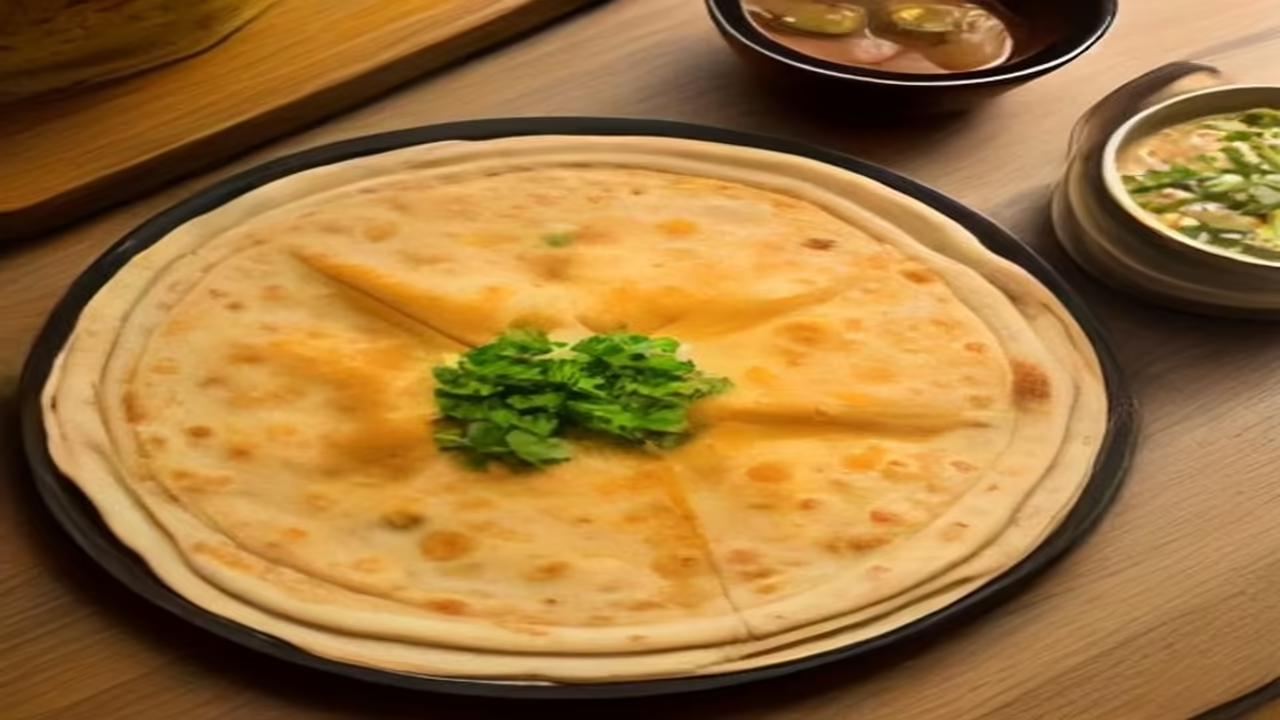
Sattu paratha is a Bihari flatbread stuffed with roasted gram flour (sattu), typically spiced with onion, garlic, green chilli and ajwain, then cooked in oil or ghee.
Why Sattu Paratha Is Caution for Dogs
Sattu Paratha is a Bihari flatbread stuffed with roasted gram flour (sattu).
The sattu filling itself (roasted chana/gram flour) is not toxic, but the standard filling mix includes onion and garlic, both toxic to dogs, plus salt, chilli and cooking oil. A dog-safe version would need a plain wheat roti with unseasoned sattu only, which is a different preparation from what's typically served.
Is There a Safe Amount of Sattu Paratha for Dogs?
Plain, unspiced preparations only.
| Dog Size | Weight | Occasional Serving |
|---|---|---|
| Extra Small | 1–4 kg | A single small bite, if at all |
| Small | 5–10 kg | 1–2 small bites |
| Medium | 11–20 kg | A few small bites |
| Large | 21–35 kg | A small handful |
| Extra Large | 36–60 kg | A modest handful |
- • Vomiting or diarrhoea within hours of eating Sattu Paratha
- • Lethargy, collapse, or seizures
- • Swollen face, hives, or difficulty breathing
- • Pale or yellowish gums
- CUPA Bangalore 080-22947301
- PFA Delhi 011-45615915
- Blue Cross Chennai 044-22350586
- Bombay SPCA Mumbai 022-24137518
- RESQ Pune 98909-99111
- PFA Hyderabad 73374-50643
- CSPCA Kolkata 033-22367738
- PFA Ahmedabad 94270-00501
Homemade Sattu Paratha Recipe for Dogs, Indian Katori Measures
Ingredients: A small pinch of plain roasted gram flour (sattu) mixed into plain roti dough
Method:
- Mix a small pinch of sattu into plain roti dough with no spice or oil.
- Cook plain on a tawa.
Serving size: A small piece, sattu itself is fine in small amounts; skip the stuffed, oiled paratha version.
Frequently Asked Questions About Sattu Paratha for Dogs
Other Safe Foods for Dogs
See our complete guide to all 905 foods →
Related Foods Dogs Can (or Can't) Eat
Sources & References
- American Kennel Club (AKC), Source-verified food safety guidance for dogs
- PetMD Veterinary Review, Veterinarian-reviewed canine nutrition guide
- National Institute of Nutrition (NIN), Hyderabad, Indian food composition tables
- Indian Council of Agricultural Research (ICAR), Indian food safety and agricultural standards