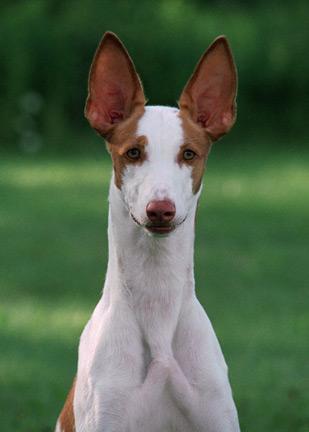
Rajapalayam Food Guide for Indian Pet Parents (Rajapalayam / Poligar Hound)
8 min read · Updated May 2026
Rajapalayam thrives on South Indian rice-fish diet, their ancestral food. Fresh fish, plain rice, and antioxidant vegetables support their white skin. A rare treasure breed deserving proper nutrition.
In this guide
- Rajapalayam, Breed at a Glance
- Nutritional Personality of the Rajapalayam
- What Can Rajapalayams Eat Safely? (Indian Kitchen Guide)
- Danger Zone, What Rajapalayams Must NEVER Eat
- 3 Homemade Recipes for Rajapalayams (Indian Katori Measures)
- Rajapalayam Feeding Schedule, Age-Wise Guide
- 7 Common Feeding Mistakes Rajapalayam Owners Make in India
- Frequently Asked Questions, Rajapalayam Food in India
- Related Food Safety Guides
Rajapalayam, Breed at a Glance
Common Health Risks
- Deafness (linked to white coat and blue eyes, common)
- Hip dysplasia
- Skin sensitivity (white skin sunburn)
- Tick-borne diseases
- Bloat
Nutritional Personality of the Rajapalayam
The Rajapalayam is Tamil Nadu's ancient royal hunting dog, nearly extinct due to neglect of Indian native breeds. These dogs were historically fed rice, fish (from the Vaigai river region), and occasional game. They respond excellently to fresh fish-based diets; the coastal Tamil Nadu diet of rice and fish is perfectly suited to this breed. Their extreme white coat and pink skin make them vulnerable to sunburn, diet-based antioxidants (lycopene from tomato, beta-carotene from carrot) help protect skin integrity.
What Can Rajapalayams Eat Safely? (Indian Kitchen Guide)
These foods are safe and nutritious for Rajapalayams when prepared correctly, plain, fully cooked, no salt, no spices, no onion or garlic. All quantities assume an adult large breed dog.
Proteins
- ✅Lean chicken breast (primary protein, no fat)
- ✅Steamed fish (deboned)
- ✅Cooked eggs
- ✅Lean rabbit (if available)
- ✅Occasional lean mutton (fat removed)
Vegetables
- ✅Boiled carrot
- ✅Steamed green beans
- ✅Boiled sweet potato
- ✅Steamed spinach
- ✅Cooked pumpkin
Fruits
- ✅Apple
- ✅Watermelon
- ✅Blueberries
Carbohydrates
- ✅White rice (rapid energy)
- ✅Brown rice
- ✅Boiled sweet potato
- ✅Occasional plain roti
Danger Zone, What Rajapalayams Must NEVER Eat
The items below are toxic to every dog, and several turn up routinely in Indian kitchens. It takes only a little onion, garlic or grape to cause lasting organ harm.
| Food | Risk Level | Why It Is Dangerous |
|---|---|---|
| Onion & Garlic (Pyaaz / Lehsun) | TOXIC | All forms, raw, cooked, powder, bhuna, cause haemolytic anaemia |
| Grapes & Raisins (Angoor / Kishmish) | TOXIC | Cause acute kidney failure; even 1–2 grapes can be fatal |
| Chocolate (Chocolate) | TOXIC | Theobromine causes seizures and heart failure; dark chocolate is most dangerous |
| Xylitol (artificial sweetener) | TOXIC | Found in sugar-free chewing gum and some protein bars; causes rapid hypoglycemia |
| Alcohol | TOXIC | Any form, including festival sweets made with alcohol or beer-based treats |
| Spiced Indian food (curry, masala, mirchi) | DANGEROUS | Salt, chilli, spices, garam masala cause digestive distress and long-term kidney damage |
| Ghee & oily scraps | DANGEROUS FOR MOST | High-fat Indian cooking fat causes pancreatitis; dangerous for Labs, Schnauzers, obese dogs |
| Roti with ghee/butter | USE CAUTION | High carb + fat combo causes weight gain and digestive issues when fed regularly |
| Raw/undercooked chicken or eggs | USE CAUTION | Risk of Salmonella; always fully cook all protein before feeding |
| Mango pit (aam ki gutli) | DANGEROUS | Choking hazard and contains trace cyanide, remove entirely before feeding mango |
| Tea or chai | DANGEROUS | Caffeine is toxic; Indian chai with milk, sugar, and spices has multiple hazards |
Feeding an Indie dog (INDog)? Nutritionally, India's indigenous Pariah Dog is a different case. See the INDog Food Guide →
3 Homemade Recipes for Rajapalayams (Indian Katori Measures)
All recipes use common Indian ingredients. Everything should be cooked plain, leave out salt, oil, spices and any onion or garlic. We measure in katori, one standard Indian cup is about 150–180 ml.
Recipe 1: Lean Sighthound Protein Bowl ~300 kcal
- 130 g rabbit or chicken (boiled, shredded, very lean)
- 2 katori cooked rice
- ½ katori boiled green beans
- ¼ katori plain dahi
- 1 tsp flaxseed oil
Method: Sighthounds have very little body fat and fast metabolisms. They need lean protein and adequate calories without excess fat. Never underfeed a sighthound, they can lose condition rapidly. Serve at body temperature.
Recipe 2: Race-Day Recovery Meal ~280 kcal
- 120 g chicken breast (boiled, no skin)
- 2 katori white rice
- ½ katori boiled sweet potato
- ½ katori steamed spinach
- 1 egg yolk (raw, for fat-soluble vitamins)
Method: Mix cooked chicken with rice. Add sweet potato, spinach, and raw egg yolk (egg yolk only is safer than raw whole egg). This meal supports lean muscle maintenance essential for sighthound body type.
Recipe 3: Weight-Maintenance Light Meal ~240 kcal
- 100 g steamed fish (rohu or pomfret, deboned)
- 2 katori brown rice
- ½ katori boiled pumpkin
- ¼ katori plain dahi
- 1 tsp fish oil
Method: Sighthounds are naturally lean, weight maintenance rather than weight loss is usually the goal. Fish provides excellent lean protein. This light meal prevents weight loss while not adding unnecessary fat.
Food & Bowls for Your Rajapalayam
- Breed-appropriate kibble size and calorie density
- Options suited to Indian climate and availability
- Compare brands, sizes and current prices on Amazon
Prices and availability shown on Amazon. We may earn a commission at no extra cost to you.
What a Homemade Diet Misses, The Numbers That Matter
A rice-dal-curd diet keeps a Rajapalayam full, but it quietly runs four deficits that kibble is formulated to cover. If you home-cook, these are the gaps to close:
- Calcium : phosphorus ratio. Dogs need roughly 1.2:1 to 1.4:1 (NRC guideline). Rice, dal, roti and meat are all phosphorus-heavy and calcium-poor, so a typical Indian home diet runs closer to 1:10, over months this pulls calcium out of bone. A vet-recommended calcium supplement or measured eggshell powder is the usual fix.
- Iodine. Home diets without fish or iodised salt routinely miss the ~30 mcg/kg body-weight guideline, which affects thyroid function. A small amount of iodised salt as advised by your vet, or twice-weekly fish, closes this.
- Taurine & L-carnitine. Heavily vegetarian diets are low on both; long-term deficiency is linked to dilated cardiomyopathy (DCM) in dogs. Meat, eggs or a supplement protect the heart.
- Vitamin D. Unlike humans, dogs cannot make vitamin D from sunlight, it must come from food (liver, fish, egg yolk) or a supplement.
None of this means home food is bad, it means a home diet needs a plan. Run your recipe past a vet once, add the two or three supplements they suggest, and the gaps close.
Home-Cooked vs Commercial Food, Real Monthly Cost (₹)
What feeding a Rajapalayam actually costs per month in India, by adult body size:
| Dog size | Home-cooked (rice, dal, meat, curd, veg + supplements) | Mid-range kibble | Premium kibble |
|---|---|---|---|
| Small (5–10 kg) | ₹1,200–2,000 | ₹1,500–2,500 | ₹3,000–4,500 |
| Medium (10–25 kg) | ₹2,000–3,500 | ₹2,500–4,500 | ₹5,000–8,000 |
| Large (25 kg+) | ₹3,500–6,000 | ₹4,500–7,000 | ₹8,000–14,000 |
Home cooking usually wins on cost for large dogs, while small-dog kibble is cheap enough that convenience often wins. Many Indian owners land on a 50:50 mix, kibble as the base, one home-cooked meal a day.
Rajapalayam Feeding Schedule, Age-Wise Guide
| Life Stage | Frequency | Approximate Quantity |
|---|---|---|
| Puppy (8–16 weeks) | 4× daily | 100–140 g per meal |
| Puppy (4–6 months) | 3× daily | 140–180 g per meal |
| Puppy (6–12 months) | 3× daily | 160–220 g per meal |
| Adult (1+ years) | 2× daily | 250–350 g per meal |
| Senior (7+ years) | 2× daily | 200–280 g per meal |
7 Common Feeding Mistakes Rajapalayam Owners Make in India
- Feeding Rajapalayam Indian curry or spiced food scraps, salt, onion, garlic, and chilli all cause cumulative health damage
- Using ghee or butter on roti to 'improve' the taste, fat-heavy additions risk pancreatitis and obesity in Rajapalayams
- Not measuring portions and instead 'eyeballing', most dogs in India are overfed by 20–30% by owners who underestimate portions
- Giving bones from cooked chicken or mutton, cooked bones splinter and cause internal perforations; only raw recreational bones are safe under supervision
- Switching the Rajapalayam's food abruptly, always transition over 7–10 days to prevent severe digestive upset
- Ignoring water intake, dogs in Indian heat need constant access to fresh, clean water; dehydration is common in summer
- Deafness in Rajapalayam is very common, BAER hearing test recommended for puppies; deaf dogs need visual cues for feeding and mealtimes, not verbal commands
Rajapalayam Immunity and Nutrition, India's Royal Hound
The Rajapalayam is one of India's oldest and most distinguished indigenous breeds, the ivory-white hunting hound of Tamil Nadu's royal courts. Despite its genetic hardiness as a native breed, the Rajapalayam faces specific health challenges in modern India: deafness (linked to the white coat gene), skin sensitivity, and immune system issues that can be significantly supported through appropriate nutrition.
Immune-Supportive Nutrition for the Rajapalayam
White-coated dogs including the Rajapalayam are more susceptible to UV-induced skin damage and skin allergies than pigmented breeds. Antioxidant-rich nutrition provides measurable protection. Vitamin E (from sunflower seeds, fish, leafy greens), vitamin C (from bell peppers, broccoli), and omega-3 fatty acids work synergistically to reduce oxidative skin damage and support the immune response against environmental allergens.
Rajapalayam-Specific Nutritional Protocol
- High-quality animal protein, the Rajapalayam's lean, muscular build requires adequate protein; rohu fish, chicken, and eggs are ideal
- Omega-3 supplementation, 1,000–2,000 mg EPA/DHA daily; supports skin barrier and immune function
- Antioxidant foods, small portions of blueberries, broccoli, or spinach 2–3 times weekly
- Avoid food allergen buildup, rotate protein sources (chicken to fish to egg) to reduce allergy sensitisation
- Zinc adequacy, zinc deficiency exacerbates skin issues in white-coated dogs; ensure diet includes sufficient zinc-rich foods (meat, pumpkin seeds)
People Also Ask, Rajapalayam Food Questions
Indian pet parents frequently ask these questions about feeding Rajapalayams:
3 Common Myths About Feeding Rajapalayams in India
❌ Myth 1: "Indian breeds eat anything, they don't need special food"
While the Rajapalayam evolved on a varied scavenger diet, this does not mean all food is equally safe. Modern Rajapalayams living as pets receive far less exercise than their ancestors, making caloric balance critical. Indian kitchen scraps with salt, spices, onion, and garlic cause the same organ damage in Rajapalayams as in any other breed. Feed them clean, unseasoned whole foods, not whatever is left on the plate.
❌ Myth 2: "Native breeds are immune to food-related diseases"
Indian breed dogs have fewer genetic disorders than many foreign breeds, but they are equally susceptible to food-induced pancreatitis, kidney disease from chronic salt exposure, haemolytic anaemia from onion and garlic, and obesity from high-carbohydrate diets. The Rajapalayam's reputation for hardiness applies to climate adaptation and disease resistance, not to dietary toxins.
❌ Myth 3: "Indian breeds don't need supplements because they are hardy"
Hardiness relates to environmental adaptability, not nutritional sufficiency. A Rajapalayam fed purely on rice and roti will develop protein deficiency, poor coat quality, and vitamin/mineral gaps over time. Omega-3 fatty acids, B vitamins, and quality animal protein are as necessary for the Rajapalayam as for any import breed. If feeding homemade food, a veterinarian-approved multivitamin ensures complete nutrition.
dogeats.in Editorial Team, Veterinarian Expert View
"The Rajapalayam is one of India's most misunderstood breeds when it comes to nutrition. Owners assume native dogs are self-sufficient and overlook the fact that a pet Rajapalayam living in a flat in Bangalore or Chennai has completely different energy needs from its free-roaming ancestors. Rajapalayams are commonly affected by preventable obesity, early kidney issues and coat problems, all traceable to unbalanced feeding. Clean protein, correct portions, and zero kitchen scraps make a dramatic difference in health outcomes."
, dogeats.in Editorial Team
Adopting This Breed in India, Shelters First
This is an Indian breed, and Indian breeds fill Indian shelters. Before contacting a breeder, check the adoption listings at CUPA (Bengaluru), Blue Cross of India (Chennai) and People For Animals, healthy adults and pups of desi breeds are surrendered every week, already vaccinated and often sterilised. Adoption is usually free-to-nominal, and every guide on this page applies from day one.
Frequently Asked Questions, Rajapalayam Food in India
What is the best food for a Rajapalayam in India?
Rajapalayams in India do best on a home-cooked diet of boiled chicken, plain rice, boiled vegetables like carrot and pumpkin, and cooked eggs. Quality commercially available dog food formulated for large breeds is also appropriate. The real key is keeping Indian kitchen scraps, salt, spices, onion, garlic, ghee, away from the dog entirely.
How much should I feed my Rajapalayam per day?
An adult Rajapalayam (20–30 kg) needs 2 meals per day. Use this feeding schedule as your opening figure and adjust by body-condition score, ribs palpable under light pressure, not obvious to the eye. Puppies need 3–4 smaller meals daily. Always measure portions, never free-feed.
Can Rajapalayams eat roti and dal?
Plain roti (no ghee, no salt) in small amounts is acceptable occasionally for Rajapalayams. Plain dal, moong or masoor with no tadka or spices, works as a modest plant-protein supplement. That said, roti and dal alone leave gaps; pair them with good animal protein for a complete diet. No ghee, no tadka, not in a dog's portion.
Can Rajapalayams eat Indian street food or hotel food scraps?
No. Restaurant and street-food scraps almost always carry onion, garlic, chilli, salt, oil and spices, none of which suit a dog. Small repeated amounts of onion or garlic build up to red-cell damage and haemolytic anaemia. Kidneys take the hit from the salt in restaurant food. Say no to Indian cooking scraps without exception.
What are the most dangerous foods for Rajapalayams in India?
The most dangerous Indian kitchen items for Rajapalayams are: (1) Onion and garlic in any form, toxic to red blood cells, (2) Grapes and raisins, cause acute kidney failure, (3) Chocolate, contains theobromine which causes seizures, (4) Xylitol (in sugar-free products), causes fatal blood sugar crash, (5) Spiced food with salt and chilli, long-term kidney and digestive damage.
Should I give supplements to my Rajapalayam?
The most beneficial supplement for Rajapalayams in India is omega-3 fish oil (1,000–2,000 mg per day for large breeds), it supports coat health, reduces inflammation, and benefits joints. Mostly homemade meals benefit from a proper dog multivitamin to supply micronutrients. No additional calcium past what the food supplies, surplus calcium harms growing bones.
When should I call the vet for my Rajapalayam's eating issue?
Call your vet immediately if your Rajapalayam: (1) Refuses food for more than 24 hours (12 hours for puppies and small breeds), (2) Vomits more than twice in one day or has bloody vomit, (3) Has a visibly distended or hard abdomen, (4) Shows extreme lethargy alongside appetite loss, (5) Ate something potentially toxic (onion, chocolate, grapes, medication). Emergency contacts: IVRI Bareilly: 0581-2301418 | BlueCross Chennai: 044-22350170 | CCSEA India: check local city emergency vet.
Note: helpline numbers can change. Confirm the number with a quick search before you need it, and save your nearest 24×7 emergency vet's number in your phone today, before an emergency happens.
Do Rajapalayams need different food from foreign breeds in India?
The Rajapalayam's metabolism and digestive system are essentially the same as other domestic dogs, the core nutritional requirements (protein, fat, carbohydrate, vitamins, minerals) are identical. However, the Rajapalayam is better adapted to India's heat and humidity, meaning they may need slightly less food in hot months if they are less active. They also tend to have fewer food allergies than many imported breeds. The main practical difference is that Indian breeds are often more efficient calorie-utilizers, making obesity prevention especially important.
Can I feed my Rajapalayam street food or leftover dhaba food?
No, this is one of the most common and harmful practices for Rajapalayams in India, particularly those who were once strays before adoption. Street food and dhaba leftovers contain concentrated salt, onion, garlic, chilli, and oil, all of which cause cumulative organ damage. While a Rajapalayam may have survived eating street scraps before, a pet Rajapalayam on a controlled diet is far healthier, lives longer, and has fewer vet visits. Transition them to clean home-cooked food or quality dry dog food and maintain the discipline.
Similar Breeds You Might Be Feeding
- Afghan Hound
- Airedale Terrier
- American English Coonhound
- American Leopard Hound
- American Water Spaniel
- Aussiedoodle
- Australian Cattle Dog
- Australian Kelpie
- Australian Shepherd
Sources & References
This Rajapalayam food guide references the following authoritative sources:
- American Kennel Club (AKC), Breed Nutrition Guidelines
- VCA Animal Hospitals, General Feeding Guidelines for Dogs
- ASPCA Animal Poison Control Center, Toxic Foods for Dogs
- National Institute of Nutrition (NIN), Hyderabad, Nutritional Data for Indian Foods
- Indian Council of Agricultural Research (ICAR), Animal Nutrition Division
- Veterinary Council of India (VCI), Professional Standards for Veterinary Practice
- Merck Veterinary Manual, Small Animal Nutrition
Related Food Safety Guides
Learn exactly which specific foods are safe or dangerous for your Rajapalayam:
Top Food Questions Rajapalayam Owners Ask Me, dogeats.in Editorial Team
The Rajapalayam is built for India, heat, hardy stomach and an opportunist's appetite. Years of clinical observation, including many rescues, show their food problems are rarely about exotic toxins and almost always about street scavenging, festive sweets and 'leftover' meals. The picks below are the ones owners ask me about most. , dogeats.in Editorial Team