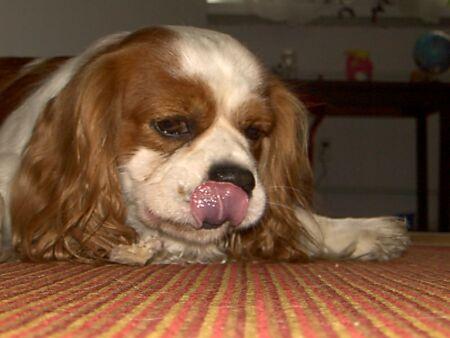
Cavalier King Charles Spaniel Food Guide for Indian Pet Parents (Cavalier KCS)
8 min read · Updated May 2026
Cavaliers need cardiac-supportive diets: omega-3s, taurine-rich proteins, and strict weight management. Heart disease affects nearly all Cavaliers, nutrition is genuine cardiac medicine for this breed.
In this guide
- Cavalier King Charles Spaniel, Breed at a Glance
- Nutritional Personality of the Cavalier King Charles Spaniel
- What Can Cavalier King Charles Spaniels Eat Safely? (Indian Kitchen Guide)
- Danger Zone, What Cavalier King Charles Spaniels Must NEVER Eat
- 3 Homemade Recipes for Cavalier King Charles Spaniels (Indian Katori Measures)
- Cavalier King Charles Spaniel Feeding Schedule, Age-Wise Guide
- 7 Common Feeding Mistakes Cavalier King Charles Spaniel Owners Make in India
- Frequently Asked Questions, Cavalier King Charles Spaniel Food in India
- Related Food Safety Guides
Cavalier King Charles Spaniel, Breed at a Glance
Common Health Risks
- Mitral valve disease (MVD, affects nearly all Cavaliers by age 10)
- Syringomyelia (fluid pockets in spinal cord)
- Hip dysplasia
- Ear infections
- Obesity
Nutritional Personality of the Cavalier King Charles Spaniel
Cavalier King Charles Spaniels have the highest rate of heart disease of any dog breed, virtually all Cavaliers develop mitral valve disease by age 10. Cardiac-supportive nutrition is genuinely important: omega-3 fatty acids from fish oil reduce cardiac inflammation, taurine-containing foods (chicken, beef, seafood) support heart muscle, and strict weight management prevents the cardiac load that obesity creates. Indian owners must resist the breed's big soulful eyes begging for more food.
What Can Cavalier King Charles Spaniels Eat Safely? (Indian Kitchen Guide)
These foods are safe and nutritious for Cavalier King Charles Spaniels when prepared correctly, plain, fully cooked, no salt, no spices, no onion or garlic. All quantities assume an adult small–medium breed dog.
Proteins
- ✅Finely shredded boiled chicken
- ✅Chopped hard-boiled egg
- ✅Crumbled low-fat paneer
- ✅Small pieces of steamed fish (fully deboned)
- ✅Plain dahi (unsweetened yogurt)
Vegetables
- ✅Finely grated boiled carrot
- ✅Mashed boiled pumpkin
- ✅Chopped steamed broccoli
- ✅Mashed sweet potato
- ✅Tiny bits of boiled spinach
Fruits
- ✅Tiny apple pieces (no seeds)
- ✅Small banana pieces
- ✅Blueberries (halved)
- ✅Watermelon (tiny cubes, no seeds)
Carbohydrates
- ✅Cooked white rice
- ✅Mashed sweet potato
- ✅Small amount of plain roti (no ghee)
- ✅Cooked daliya
Danger Zone, What Cavalier King Charles Spaniels Must NEVER Eat
Each of these is dangerous for any dog, with particular relevance to what sits in an Indian kitchen. Even a modest amount of onion, garlic or grape can permanently damage a dog's organs.
| Food | Risk Level | Why It Is Dangerous |
|---|---|---|
| Onion & Garlic (Pyaaz / Lehsun) | TOXIC | All forms, raw, cooked, powder, bhuna, cause haemolytic anaemia |
| Grapes & Raisins (Angoor / Kishmish) | TOXIC | Cause acute kidney failure; even 1–2 grapes can be fatal |
| Chocolate (Chocolate) | TOXIC | Theobromine causes seizures and heart failure; dark chocolate is most dangerous |
| Xylitol (artificial sweetener) | TOXIC | Found in sugar-free chewing gum and some protein bars; causes rapid hypoglycemia |
| Alcohol | TOXIC | Any form, including festival sweets made with alcohol or beer-based treats |
| Spiced Indian food (curry, masala, mirchi) | DANGEROUS | Salt, chilli, spices, garam masala cause digestive distress and long-term kidney damage |
| Ghee & oily scraps | DANGEROUS FOR MOST | High-fat Indian cooking fat causes pancreatitis; dangerous for Labs, Schnauzers, obese dogs |
| Roti with ghee/butter | USE CAUTION | High carb + fat combo causes weight gain and digestive issues when fed regularly |
| Raw/undercooked chicken or eggs | USE CAUTION | Risk of Salmonella; always fully cook all protein before feeding |
| Mango pit (aam ki gutli) | DANGEROUS | Choking hazard and contains trace cyanide, remove entirely before feeding mango |
| Tea or chai | DANGEROUS | Caffeine is toxic; Indian chai with milk, sugar, and spices has multiple hazards |
Feeding an Indie dog (INDog)? The native Indian Pariah Dog has its own distinct dietary needs. See the INDog Food Guide →
3 Homemade Recipes for Cavalier King Charles Spaniels (Indian Katori Measures)
All recipes use common Indian ingredients. Cook it bare: skip the salt, oil, spices, onion and garlic entirely. We measure in katori, one standard Indian cup is about 150–180 ml.
Recipe 1: Mini Chicken Bowl ~140 kcal
- 50 g boneless chicken (boiled, finely shredded)
- 1 katori cooked white rice (small katori)
- 2 tbsp boiled mashed carrot
- 2 tbsp plain dahi
- ½ tsp flaxseed oil
Method: Boil chicken thoroughly. Shred into tiny pieces suitable for small mouths. Mix with rice, carrot, and dahi. Small breeds need smaller, more frequent meals and tinier bite sizes. No salt, no spices.
Recipe 2: Egg-Paneer Mini Meal ~120 kcal
- 1 whole egg (hard-boiled, chopped fine)
- 30 g unsalted paneer (crumbled small)
- 1 katori cooked rice
- 2 tbsp boiled pumpkin (kaddu, mashed)
- 1 tbsp plain dahi
Method: Hard-boil egg, chop finely. Crumble paneer small. Mix all together. Small breeds have tiny stomachs but high metabolisms, quality protein in small quantities is key. Never bulk-feed with rice alone.
Recipe 3: Fish-Rice Tiny Bowl ~110 kcal
- 40 g rohu or pomfret fillet (steamed, deboned completely)
- 1 katori rice
- 2 tbsp boiled spinach
- 1 tbsp plain dahi
- ¼ tsp turmeric (haldi)
Method: Steam fish. Remove every tiny bone. Flake into minute pieces. Mix with rice, spinach, dahi, and turmeric. Small breeds benefit from fish's omega-3 for their often-sensitive skin and coats.
Food & Bowls for Your Cavalier King Charles Spaniel
- Breed-appropriate kibble size and calorie density
- Options suited to Indian climate and availability
- Compare brands, sizes and current prices on Amazon
Prices and availability shown on Amazon. We may earn a commission at no extra cost to you.
What a Homemade Diet Misses, The Numbers That Matter
A rice-dal-curd diet keeps a Cavalier King Charles Spaniel full, but it quietly runs four deficits that kibble is formulated to cover. If you home-cook, these are the gaps to close:
- Calcium : phosphorus ratio. Dogs need roughly 1.2:1 to 1.4:1 (NRC guideline). Rice, dal, roti and meat are all phosphorus-heavy and calcium-poor, so a typical Indian home diet runs closer to 1:10, over months this pulls calcium out of bone. A vet-recommended calcium supplement or measured eggshell powder is the usual fix.
- Iodine. Home diets without fish or iodised salt routinely miss the ~30 mcg/kg body-weight guideline, which affects thyroid function. A small amount of iodised salt as advised by your vet, or twice-weekly fish, closes this.
- Taurine & L-carnitine. Heavily vegetarian diets are low on both; long-term deficiency is linked to dilated cardiomyopathy (DCM) in dogs. Meat, eggs or a supplement protect the heart.
- Vitamin D. Unlike humans, dogs cannot make vitamin D from sunlight, it must come from food (liver, fish, egg yolk) or a supplement.
None of this means home food is bad, it means a home diet needs a plan. Run your recipe past a vet once, add the two or three supplements they suggest, and the gaps close.
Home-Cooked vs Commercial Food, Real Monthly Cost (₹)
What feeding a Cavalier King Charles Spaniel actually costs per month in India, by adult body size:
| Dog size | Home-cooked (rice, dal, meat, curd, veg + supplements) | Mid-range kibble | Premium kibble |
|---|---|---|---|
| Small (5–10 kg) | ₹1,200–2,000 | ₹1,500–2,500 | ₹3,000–4,500 |
| Medium (10–25 kg) | ₹2,000–3,500 | ₹2,500–4,500 | ₹5,000–8,000 |
| Large (25 kg+) | ₹3,500–6,000 | ₹4,500–7,000 | ₹8,000–14,000 |
Home cooking usually wins on cost for large dogs, while small-dog kibble is cheap enough that convenience often wins. Many Indian owners land on a 50:50 mix, kibble as the base, one home-cooked meal a day.
Cavalier King Charles Spaniel Feeding Schedule, Age-Wise Guide
| Life Stage | Frequency | Approximate Quantity |
|---|---|---|
| Puppy (8–16 weeks) | 4× daily | 30–50 g per meal |
| Puppy (4–6 months) | 3× daily | 40–60 g per meal |
| Puppy (6–12 months) | 3× daily | 50–80 g per meal |
| Adult (1+ years) | 2–3× daily | 80–140 g per meal |
| Senior (7+ years) | 2–3× daily | 60–100 g per meal |
7 Common Feeding Mistakes Cavalier King Charles Spaniel Owners Make in India
- Feeding Cavalier King Charles Spaniel Indian curry or spiced food scraps, salt, onion, garlic, and chilli all cause cumulative health damage
- Using ghee or butter on roti to 'improve' the taste, fat-heavy additions risk pancreatitis and obesity in Cavalier King Charles Spaniels
- Not measuring portions and instead 'eyeballing', most dogs in India are overfed by 20–30% by owners who underestimate portions
- Giving bones from cooked chicken or mutton, cooked bones splinter and cause internal perforations; only raw recreational bones are safe under supervision
- Switching the Cavalier King Charles Spaniel's food abruptly, always transition over 7–10 days to prevent severe digestive upset
- Ignoring water intake, dogs in Indian heat need constant access to fresh, clean water; dehydration is common in summer
- Heart disease is virtually certain in this breed, cardiac screening annually from age 3; avoid obesity which dramatically worsens MVD prognosis; taurine supplementation worth discussing with vet
People Also Ask, Cavalier King Charles Spaniel Food Questions
Indian pet parents frequently ask these questions about feeding Cavalier King Charles Spaniels:
3 Common Myths About Feeding Cavalier King Charles Spaniels in India
❌ Myth 1: "Home-cooked Indian food is perfectly fine for Cavalier King Charles Spaniels"
Plain, unseasoned home-cooked food is absolutely appropriate for Cavalier King Charles Spaniels, but the critical word is plain. Almost everything cooked in an Indian home carries onion, garlic, salt, chilli, garam masala and ghee. These ingredients are toxic or harmful to dogs. A Cavalier King Charles Spaniel eating regular dal, sabzi, or curry faces cumulative kidney damage, haemolytic anaemia (from allium vegetables), and gastrointestinal disease over time. Prepare their food separately with zero seasoning.
❌ Myth 2: "My Cavalier King Charles Spaniel has been eating this for years without problems, it must be fine"
A lot of harmful foods do their damage slowly and invisibly, until a tipping point is reached. Give onion little and often and haemolytic anaemia develops over months. By the time salt-related kidney disease is obvious, around 75% of kidney function is already lost. The fact that your Cavalier King Charles Spaniel has not collapsed or vomited does not mean their organs are unaffected. Annual lab work spots these problems before they become permanent, and often shows the damage done by scrap-fed diets.
❌ Myth 3: "Protein supplements from the gym are safe for dogs"
With India's fitness culture booming, many pet owners share whey protein, creatine, and gym supplements with their Cavalier King Charles Spaniel believing it will build muscle. Human protein supplements pack sweeteners, frequently fatal-to-dogs xylitol, plus artificial flavours and mineral ratios unsuited to canine physiology. A dog's protein is best supplied by whole foods, boiled chicken, eggs, fish and paneer. Never give human gym supplements to your Cavalier King Charles Spaniel.
dogeats.in Editorial Team, Veterinarian Expert View
"In Indian small-animal practice the same preventable problems recur in Cavalier King Charles Spaniels: chronic kidney strain from salty food, anaemia from kitchen scraps, and obesity from uncontrolled feeding. The good news is that these are entirely preventable with simple dietary discipline. Clean proteins, measured portions, zero table scraps, and annual health checks will give your Cavalier King Charles Spaniel significantly better health outcomes and a longer, healthier life in the Indian context."
, dogeats.in Editorial Team
Cavalier King Charles Spaniel Heart Health in India, MVD Nutrition
Mitral valve disease (MVD) is the defining health crisis of the Cavalier King Charles Spaniel, affecting nearly all Cavaliers by age 10 and a significant proportion by age 5–6 in affected lines. In India, where cardiac specialist veterinary care is available in major cities but absent in smaller towns, nutritional management of MVD is often the most accessible intervention for Indian Cavalier owners.
How Diet Affects MVD Progression
While MVD is primarily genetic in the Cavalier, several dietary factors influence disease progression and symptom severity: (1) Obesity dramatically worsens cardiac workload, every excess kilogram forces the already-compromised mitral valve to pump harder. (2) Sodium excess causes fluid retention, worsening the congestive heart failure that accompanies advanced MVD. (3) Omega-3 fatty acids have demonstrated anti-arrhythmic properties and may slow MVD-associated cardiac remodelling.
Cardiac Nutrition Protocol for Indian Cavaliers
- Strict weight management, a lean Cavalier (5–7 kg ideal) significantly outlives an overweight one with MVD
- Omega-3 supplementation (500–1,000 mg EPA/DHA), anti-arrhythmic; reduces cardiac inflammatory markers
- Sodium restriction only when heart failure is diagnosed, do not restrict sodium preemptively as it can cause compensatory hormonal changes
- Taurine adequacy, found in meat; deficiency linked to some dilated cardiomyopathy cases
- Annual cardiac auscultation from age 1, detect murmur development early; the MVD scoring protocol recommended by CKCS breed health organisations
- Never feed high-sodium Indian foods: street food, chips, processed treats, especially in diagnosed dogs
Frequently Asked Questions, Cavalier King Charles Spaniel Food in India
What is the best food for a Cavalier King Charles Spaniel in India?
Cavalier King Charles Spaniels in India do best on a home-cooked diet of boiled chicken, plain rice, boiled vegetables like carrot and pumpkin, and cooked eggs. Quality commercially available dog food formulated for small–medium breeds is also appropriate. The single biggest thing is to skip Indian kitchen leftovers laced with salt, spice, onion, garlic and ghee.
How much should I feed my Cavalier King Charles Spaniel per day?
An adult Cavalier King Charles Spaniel (5–8 kg) needs 2 meals per day. Treat the feeding schedule here as a baseline and tune it to body condition, you want to feel the ribs under light pressure, not see them. Puppies need 3–4 smaller meals daily. Always measure portions, never free-feed.
Can Cavalier King Charles Spaniels eat roti and dal?
Plain roti (no ghee, no salt) in small amounts is acceptable occasionally for Cavalier King Charles Spaniels. Unspiced, tadka-free moong or masoor dal is an acceptable plant-protein extra. Roti and dal by themselves fall short of complete nutrition and need quality animal protein added. Food meant for your dog should never include ghee or a tadka.
Can Cavalier King Charles Spaniels eat Indian street food or hotel food scraps?
No. Restaurant and street-food scraps almost always carry onion, garlic, chilli, salt, oil and spices, none of which suit a dog. The red-cell harm from onion and garlic is cumulative; little and often still causes haemolytic anaemia. Kidneys take the hit from the salt in restaurant food. For scraps off the Indian dinner table, the answer is always no.
What are the most dangerous foods for Cavalier King Charles Spaniels in India?
The most dangerous Indian kitchen items for Cavalier King Charles Spaniels are: (1) Onion and garlic in any form, toxic to red blood cells, (2) Grapes and raisins, cause acute kidney failure, (3) Chocolate, contains theobromine which causes seizures, (4) Xylitol (in sugar-free products), causes fatal blood sugar crash, (5) Spiced food with salt and chilli, long-term kidney and digestive damage.
Should I give supplements to my Cavalier King Charles Spaniel?
The most beneficial supplement for Cavalier King Charles Spaniels in India is omega-3 fish oil (1,000–2,000 mg per day for small–medium breeds), it supports coat health, reduces inflammation, and benefits joints. Where the diet is largely homemade, add a balanced canine multivitamin for micronutrients. Avoid extra calcium beyond the diet; an excess leads to developmental bone issues in pups.
When should I call the vet for my Cavalier King Charles Spaniel's eating issue?
Call your vet immediately if your Cavalier King Charles Spaniel: (1) Refuses food for more than 24 hours (12 hours for puppies and small breeds), (2) Vomits more than twice in one day or has bloody vomit, (3) Has a visibly distended or hard abdomen, (4) Shows extreme lethargy alongside appetite loss, (5) Ate something potentially toxic (onion, chocolate, grapes, medication). Emergency contacts: IVRI Bareilly: 0581-2301418 | BlueCross Chennai: 044-22350170 | CCSEA India: check local city emergency vet.
Note: helpline numbers can change. Confirm the number with a quick search before you need it, and save your nearest 24×7 emergency vet's number in your phone today, before an emergency happens.
How much should a Cavalier King Charles Spaniel eat per day in India?
Daily food intake for a Cavalier King Charles Spaniel depends on age, weight, activity level, and whether you feed home-cooked or commercial food. Use the schedule table as a starting figure, then review your dog's body condition every month. Light pressure should find the ribs; they should not stand out to the eye. A waist that tucks in when viewed from the top is the target. Through the hot season, active dogs may want a little more while sedentary indoor dogs need notably less. Never free-feed, measure every meal.
Can Cavalier King Charles Spaniels eat curd (dahi) and paneer?
Plain, unsalted, unsweetened dahi (yogurt) is beneficial for Cavalier King Charles Spaniels, the probiotics support gut health, which is especially useful during antibiotic treatment or monsoon season when food-borne bacterial exposure is higher. Two to four tablespoons as a topper, a couple of times a week, works well. Unsalted, low-fat plain paneer makes excellent protein; home-set is best. Avoid the flavoured-dahi, sweet-yogurt and masala-paneer versions sold and cooked for people. Some dogs react to lactose with loose stools, lower the amount and monitor.
Similar Breeds You Might Be Feeding
- Cocker Spaniel
- American Water Spaniel
- English Cocker Spaniel
- English Springer Spaniel
- English Toy Spaniel
- Field Spaniel
- Irish Water Spaniel
- Sussex Spaniel
- Tibetan Spaniel
Sources & References
This Cavalier King Charles Spaniel food guide references the following authoritative sources:
- American Kennel Club (AKC), Breed Nutrition Guidelines
- VCA Animal Hospitals, General Feeding Guidelines for Dogs
- ASPCA Animal Poison Control Center, Toxic Foods for Dogs
- National Institute of Nutrition (NIN), Hyderabad, Nutritional Data for Indian Foods
- Indian Council of Agricultural Research (ICAR), Animal Nutrition Division
- Veterinary Council of India (VCI), Professional Standards for Veterinary Practice
- Merck Veterinary Manual, Small Animal Nutrition
Related Food Safety Guides
Learn exactly which specific foods are safe or dangerous for your Cavalier King Charles Spaniel:
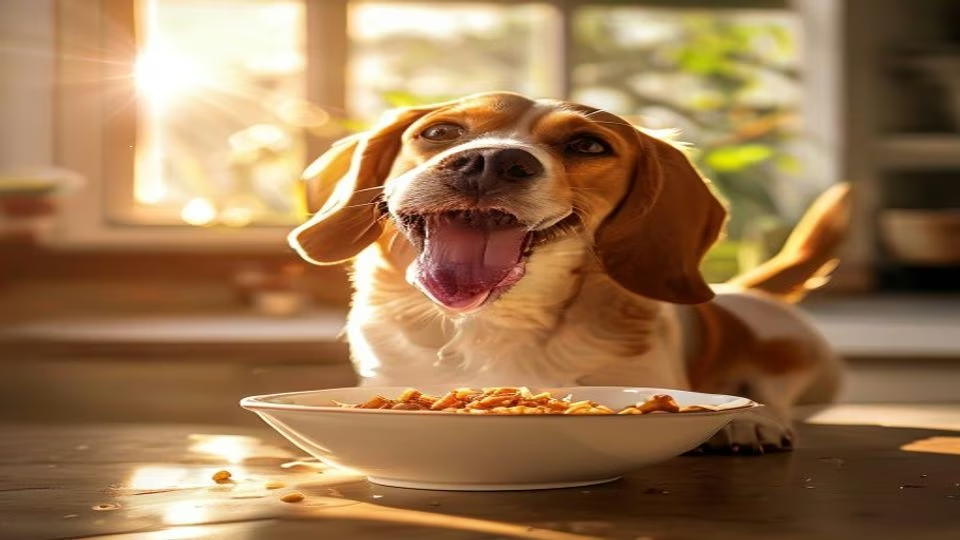
Top Food Questions Cavalier King Charles Spaniel Owners Ask Me, dogeats.in Editorial Team
Tiny breeds like the Cavalier King Charles Spaniel need tiny portions and big care: their dental health and weight tip easily, and a piece of food the size of an almond can choke them. These are the foods Indian Cavalier King Charles Spaniel owners ask me about most, what is safe in pea-sized amounts, and what is never worth the risk. , dogeats.in Editorial Team