Full Guides to Native Breeds
Price, care, health and buying advice for each native breed.
All Indian Breed Food Guides
Click any breed to see their complete India-specific food guide, safe foods, recipes in katori measures, feeding schedules, and health tips.
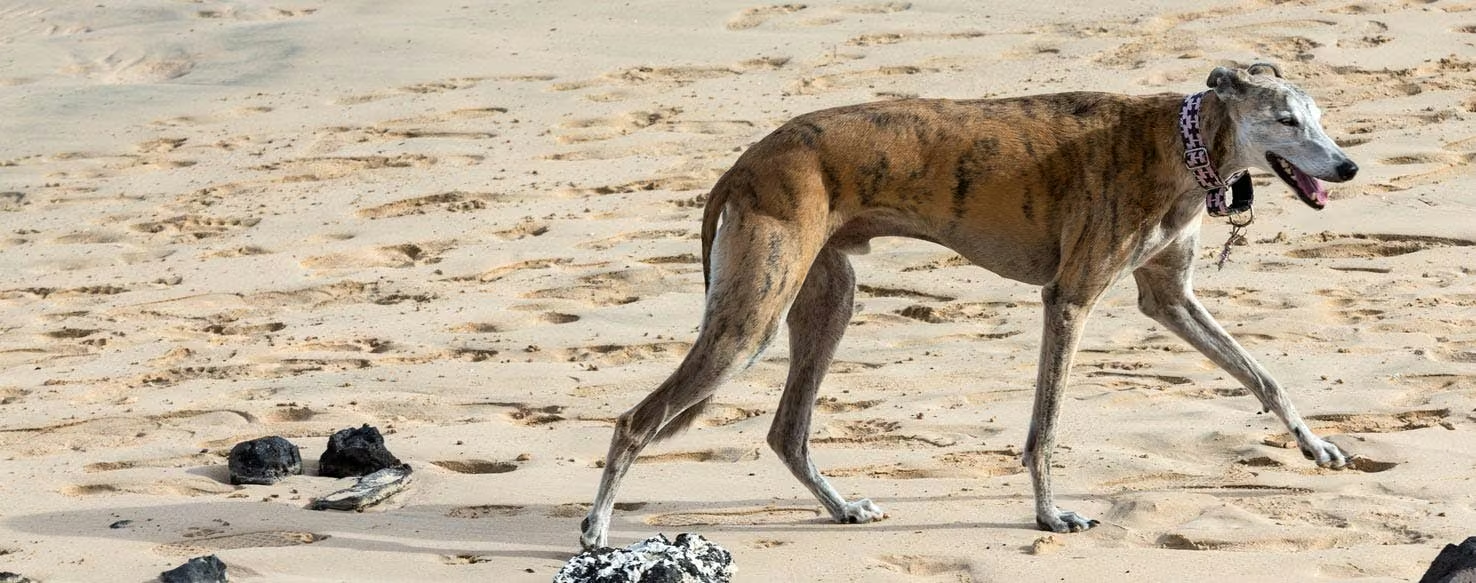
India's most ancient breed, the free-ranging village dog that evolved alongside humans for 15,000+ years. Genetically hardy with unique carbohydrate digestion adaptations.
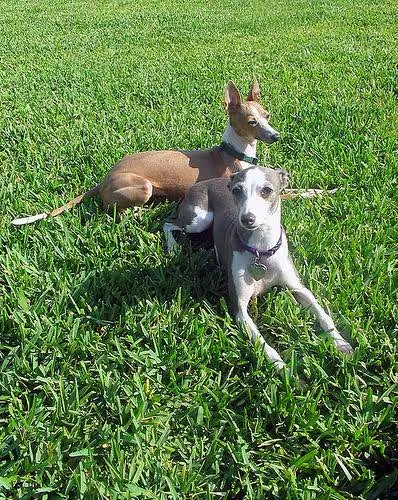
Karnataka's elegant coursing hound, adopted by the Indian Army for border patrol. A lean, high-speed sighthound with specific performance nutrition needs.
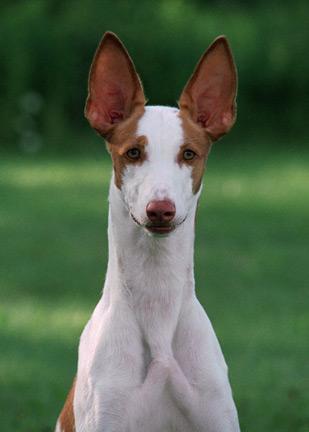
Tamil Nadu's ivory-white royal hunting dog, once the companion of Nayak rulers. A high-energy sighthound with specific nutrition needs for its lean, muscular build.
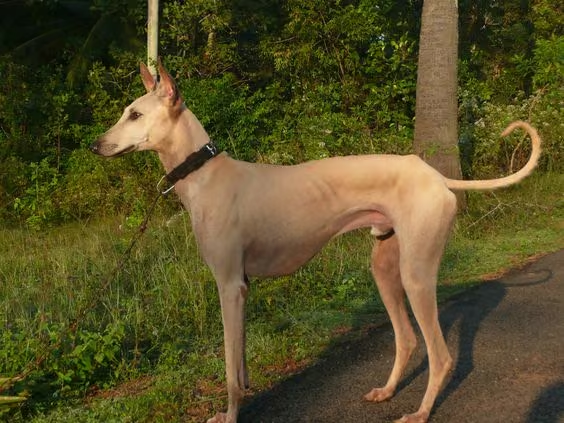
One of South India's oldest and fastest breeds, a coursing hound bred around the Madurai region. Lean and athletic, requiring performance-calibrated nutrition.
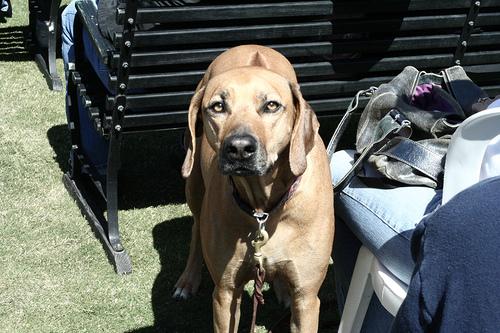
The ancient combat and bear-hunting dog of the Madurai region, distinguished by its signature black muzzle. A powerful, athletic breed with high protein needs.
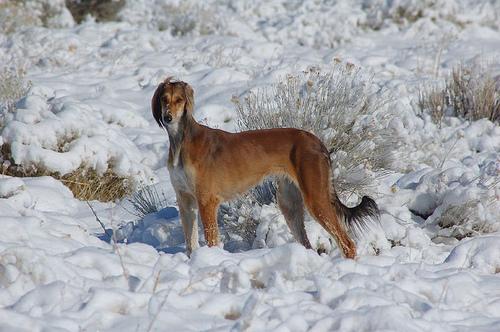
The "pure" or "gift" dog of Tamil Nadu, traditionally given as a wedding present and never sold. A rare, graceful sighthound with a gentle temperament.
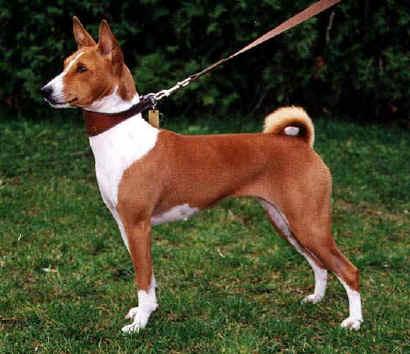
A primitive hunting and guarding dog from the Kurnool district of Andhra Pradesh. A largely self-sufficient breed that thrives on a simple but nutritionally complete diet.
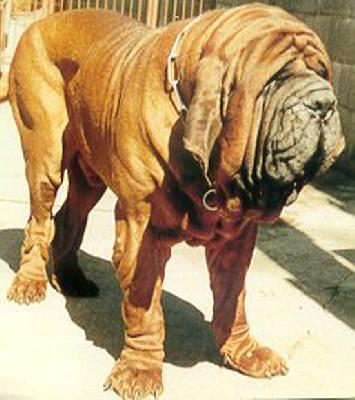
One of the most powerful breeds from the Indian subcontinent, a massive mastiff-type guardian. Requires careful nutrition to support its enormous frame and prevent obesity.
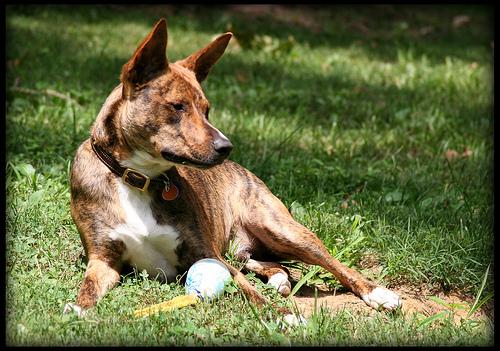
A rare, small but athletic breed from coastal Andhra Pradesh, traditionally used for duck herding and hunting. Known for its unusual yodelling vocalization and unique single-wrinkle forehead.
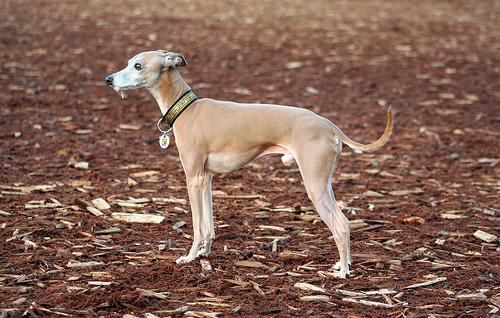
A rare North Indian sighthound developed by the Nawab of Rampur, a cross between the Afghan Hound and the English Greyhound adapted to India's hot plains climate.

India's best-loved small dog, the fluffy white companion that dominated Indian households in the 1980s–90s and remains a beloved family dog. Well-adapted to India's climate.
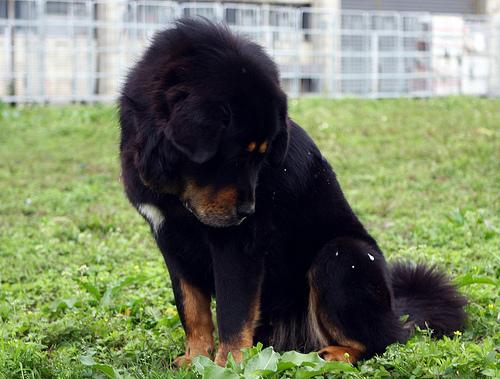
One of the rarest breeds in the world, a massive guardian dog from the Kumaon hills of Uttarakhand. Among the heaviest breeds native to India, requiring giant-breed nutrition protocols.
Why Indian Breeds Have Unique Nutritional Needs
India's native breeds evolved over thousands of years in the Indian subcontinent, developing several distinct nutritional adaptations that set them apart from foreign breeds:
- Higher carbohydrate tolerance: Indian breeds (especially the INDog) have more copies of the amylase gene, allowing more efficient digestion of rice, roti, and other starches that are staples in Indian households.
- Heat adaptation: Indian breeds developed in tropical and semi-arid climates. They regulate caloric intake seasonally, needing less food during hot months and more during cooler periods, unlike cold-climate breeds that need consistent high-fat diets.
- Robust immune systems: Centuries of exposure to Indian pathogens gave native breeds stronger innate immunity. However, this does not mean they are immune to dietary toxins like onion, garlic, and chocolate.
- Lean body phenotype: Most Indian sighthounds (Mudhol Hound, Rajapalayam, Chippiparai, Kanni) have a naturally lean phenotype that owners often misread as malnourishment. Overfeeding to "fill them out" causes joint problems and reduces athletic performance.
- Lower commercial food requirements: Indian breeds generally thrive on balanced home-cooked diets better than many imported breeds. Plain boiled chicken, rice, eggs, and vegetables with a quality supplement provide excellent nutrition.
dogeats.in Editorial Team, On Indian Breed Nutrition
"India's native breeds are the country's greatest canine heritage, resilient, intelligent, and beautifully adapted to our climate. Yet they show up most commonly in two situations: overweight INDogs on rice-heavy diets from families who feed table scraps, and sighthounds from Tamil Nadu whose owners are convinced they are starving because their ribs show. The most important thing I tell Indian breed owners is this: learn the correct body standard for your specific breed. A Chippiparai with visible last two ribs is healthy. An INDog at 20 kg is overweight. These breeds need appropriate food in correct quantities, not more food, not table scraps, and not the assumption that they can eat anything because they are 'Indian dogs'."
, dogeats.in Editorial Team · Editorial Standards
Frequently Asked Questions, Indian Breeds
Looking for food guides for foreign breeds popular in India?
View All 100 Breed Food Guides →