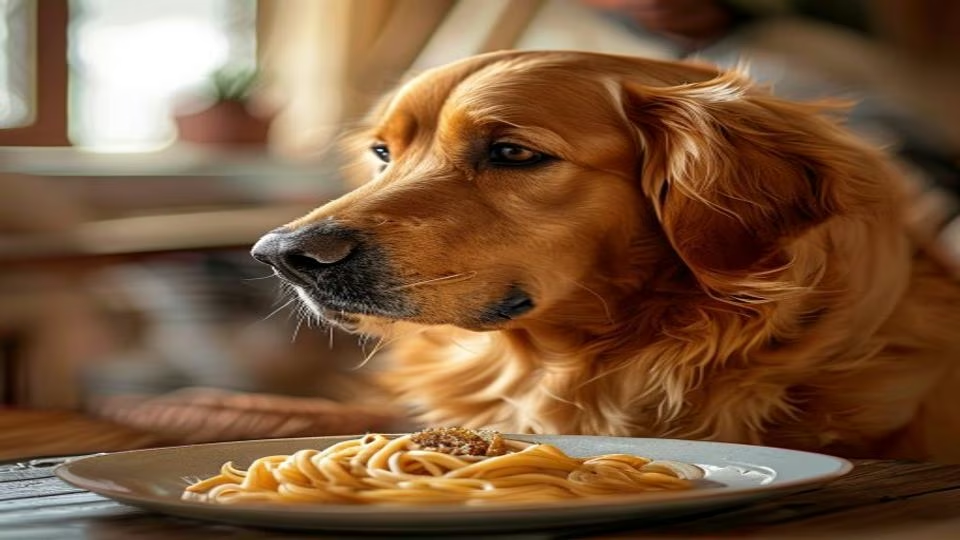
Can Dogs Eat Pasta? Benefits, Risks & Indian Serving Tips
5 min read · Updated May 2026
Caution, Pasta is not outright toxic for dogs, but it is not really suitable either. The typical home version is cooked with salt, oil, ghee, onion, garlic, chilli or sugar, ingredients that range from mildly irritating to genuinely harmful for dogs. Set aside a small, plain, unseasoned portion before any of that goes in, and skip it altogether for puppies, diabetic dogs and dogs with sensitive stomachs.
Is Pasta From Your Indian Kitchen Safe for Dogs?
Pasta is widely available in India. UNSAFE: Pasta with tomato sauce (often contains onion and garlic), pasta with Indian spices, pasta in cream sauce with garlic. Only plain boiled pasta.
Homemade Pasta Recipe for Dogs, Indian Katori Measures
Ingredients: A small portion of plain boiled pasta
Method:
- Boil pasta in plain water, with no salt or oil.
- Let it cool before serving, with no sauce.
Serving size: A small spoonful occasionally, plain.
Health Benefits of Pasta for Dogs
Minimal nutritional benefit beyond carbohydrates and B vitamins. Plain pasta provides energy but whole grain alternatives (brown rice, quinoa, oatmeal) are nutritionally superior.
Nutritional Profile of Pasta (per 100g)
| Nutrient | Amount | Benefit for Dogs |
|---|---|---|
| Carbohydrates | 30g cooked | Energy source, refined carbs |
| Protein | 5g | Moderate plant protein |
| Glycaemic index | High | ⚠️ Raises blood sugar quickly |
| Fibre | Low (white pasta) | Minimal digestive benefit |
| Calories | 131 kcal | Moderate |
Risks of Pasta for Dogs, And When to Worry
| Risk | Level | Most at risk |
|---|---|---|
| Wheat/gluten allergy in some dogs | MEDIUM | Dogs with gluten sensitivity or wheat allergy |
| All pasta sauces contain onion, garlic, or both, TOXIC | CRITICAL | Never pasta with sauce |
| High refined carbohydrate causes weight gain | MEDIUM | Obese dogs, inactive dogs |
Indian-specific concerns: Diabetic dogs, obese apartment dogs (Labs, Pugs, Beagles with limited exercise), puppies under 3 months, senior dogs, and dogs with kidney or liver conditions should be treated with extra care when it comes to Pasta. Get your vet's view first for any dog with a chronic health problem.
- • Vomiting or diarrhoea within hours of eating Pasta
- • Lethargy, collapse, or seizures
- • Swollen face, hives, or difficulty breathing
- • Pale or yellowish gums
- CUPA Bangalore 080-22947301
- PFA Delhi 011-45615915
- Blue Cross Chennai 044-22350586
- Bombay SPCA Mumbai 022-24137518
- RESQ Pune 98909-99111
- PFA Hyderabad 73374-50643
- CSPCA Kolkata 033-22367738
- PFA Ahmedabad 94270-00501
How Much Pasta Can My Dog Eat? Indian Portion Guide
| Dog Size | Breed Examples (India) | Weight | Safe Serving | Frequency | Indian Measure |
|---|---|---|---|---|---|
| Toy / Puppy | Spitz, Pom, Indie pup | 2–5 kg | 5–8g | Once a week | Size of 1 cashew |
| Small | Beagle, Dachshund, Lhasa | 5–10 kg | 10–15g | Twice a week | Size of 1 almond |
| Medium | Indie dog, Cocker Spaniel | 10–25 kg | 20–30g | 2–3x a week | Half a small katori |
| Large | Labrador, Golden, GSD | 25–40 kg | 40–60g | 3x a week | 1 small katori |
| Giant | Great Dane, Saint Bernard | 40 kg+ | 60–80g | 3x a week | 1 full vati |
Indie dog note: While Indie and street dogs can usually handle varied food, their size (10–20 kg) still means the Medium column applies. Ease newly rescued dogs into any new food slowly.
Can Indian Dog Breeds Eat Pasta? Breed-by-Breed Guide
Different Indian breeds carry different metabolisms, vulnerabilities and food sensitivities. Here is exactly how pasta affects the breeds most commonly kept as pets in India.
Labrador Retriever, India's Most Popular Breed
Labradors are India's most food-obsessed breed and safe with pasta. A Lab's chief problem is weight gain, limited exercise in Indian flats makes it almost the default. Work from the Large column in the chart above. Cut pasta into small pieces since Labs typically swallow food without chewing, creating a choking risk even with soft foods.
Golden Retriever
Golden Retrievers have among the highest cancer rates of any breed, making antioxidant-rich foods like pasta genuinely beneficial rather than just a treat. Their high activity level means they burn calories well, but keep pasta to the Large column portions. Goldens overheat in Indian summers, frozen pasta pieces are an excellent hot-weather cooling treat.
Indian Pariah Dog (INDog / Indie Dog)
The Indian Pariah Dog grew up scavenging on the street, so its gut is hardier than most pedigree breeds. Pasta is well-suited for Indie dogs. Since the average INDog is 12–20 kg, use the Medium column. If you have recently rescued a street dog, introduce pasta gradually, start with half the portion and wait 48 hours to confirm no digestive reaction.
Pomeranian & Indian Spitz
At 2–5 kg, a Pom or Indian Spitz needs far less than a standard adult portion. Take their amounts from the Toy column only. Their small mouths make choking a real risk, cut pasta into pieces no larger than a pea. Size aside, a Pom will keep eating; controlling the amount is your job.
German Shepherd
German Shepherds are active working dogs who handle pasta well. Their one vulnerability is a sensitive gastrointestinal tract, introduce pasta slowly if it is new to your GSD's diet. Provided your dog has handled a small amount well, scale up only to the Large-column figures. GSDs in cooler Indian hill regions (Himachal, Uttarakhand, Coorg) can receive pasta year-round without seasonal restriction.
Feeding Pasta in India, Seasonal Guide
India's extreme climate variation affects how you should store and serve pasta to your dog throughout the year.
Summer (March–June)
Indian summer heat (40°C+ in many cities) speeds bacterial growth on cut pasta. Refrigerate cut pieces inside 30 minutes. Frozen pasta pieces are a safe and cooling treat, especially for Labs and Goldens prone to heat exhaustion. Never leave pasta out in a bowl for more than 20 minutes in summer temperatures.
Monsoon (June–September)
Monsoon humidity (June–September) creates ideal conditions for mould and bacterial growth on pasta. Always eyeball the piece before serving; softness, an odd colour or any whiff of spoilage is a hard no. Buy pasta fresh and serve the same day rather than storing cut pieces. Humid monsoon weeks coincide with a gut in flux, so spoilage bacteria bite harder.
Winter (November–February)
North Indian winters (especially in Delhi, Punjab, UP) bring pasta to room temperature quickly if taken from the refrigerator, brief warming is fine and actually preferable to serving cold food to dogs in cold climates. South Indian and coastal dogs can eat pasta year-round with standard precautions.
Plain Boiled, with Sauce, with Cheese, Whole Wheat, Egg Noodles
Plain cooked pasta is non-toxic but adds little, the trouble is that pasta is almost always served with something that is a problem:
- Plain boiled pasta (any shape): A small amount of unsalted, unbuttered pasta is harmless for healthy adult dogs.
- Pasta with tomato sauce: Skip, see our tomato sauce guide; standard sauces contain onion, garlic and salt.
- Pasta with cheese / mac and cheese: See our mac and cheese guide, high fat, high salt.
- Whole-wheat pasta: Same as regular pasta nutrition-wise for a dog; not a meaningful upgrade.
- Egg noodles: Plain cooked egg noodles are similarly non-toxic; same "adds nothing" caveat. Skip salted or seasoned noodles.
- Pasta salad: The dressing, mayo, vinaigrette, often onion, is the problem.
- Daily pasta: Don't, it crowds out balanced nutrition.
People Also Ask, Related Other Foods Safety Questions
Indian dog owners also ask about these other foods:
More Other Foods Safety Guides
Explore the full other foods safety guide →, every food reviewed
Frequently Asked Questions About Pasta for Dogs
Safe Alternatives to Pasta for Dogs
- Brown Rice, Better daily carbohydrate option
- Oatmeal, Better whole grain carbohydrate
- Quinoa, Better plant protein and carbohydrate combination
See our complete guide to all 905 foods →
3 Common Myths About Pasta and Dogs, Debunked by About
These misconceptions about feeding pasta to dogs are widespread among Indian pet owners, and some are genuinely dangerous.
❌ Myth: "Pasta is listed as safe on some websites, so the 'caution' rating is overcautious"
✅ Reality: Conditionally safe ≠ freely safe. Pasta sits in the grey zone: acceptable in strict small amounts, but with real risks when overfed, given to sensitive dogs, or served improperly. The caution rating reflects clinical cases, not excessive conservatism.
❌ Myth: "If my dog has eaten pasta before without vomiting, it is safe for them"
✅ Reality: Many food intolerances are cumulative or delayed. A dog may tolerate pasta several times before symptoms appear, or the harm may be internal, kidney or liver stress, without visible signs. No reaction in the past is not a guarantee of safety going forward.
❌ Myth: "Cooking pasta removes all concerns about giving it to dogs"
✅ Reality: Cooking changes texture and can reduce some compounds, but the core concern with pasta, primarily its effect on digestion or specific organ systems, often persists. Cooking also does not neutralise toxic compounds like thiosulfates (onion/garlic family) or oxalates. Check the preparation guide in this article carefully.
Editorial Note
"With pasta, the factors that matter most are preparation and quantity, not just the safety rating. The rating opens the question; how much and how often you feed settles it. The katori measures are a starting point, your own dog's response tunes them."
, dogeats.in Editorial TeamEditorially Rigorous
Sources & References
- American Kennel Club (AKC), Source-verified food safety guidance for dogs
- PetMD Veterinary Review, Veterinarian-reviewed canine nutrition guide
- National Institute of Nutrition (NIN), Hyderabad, Indian food composition tables
- Indian Council of Agricultural Research (ICAR), Indian food safety and agricultural standards