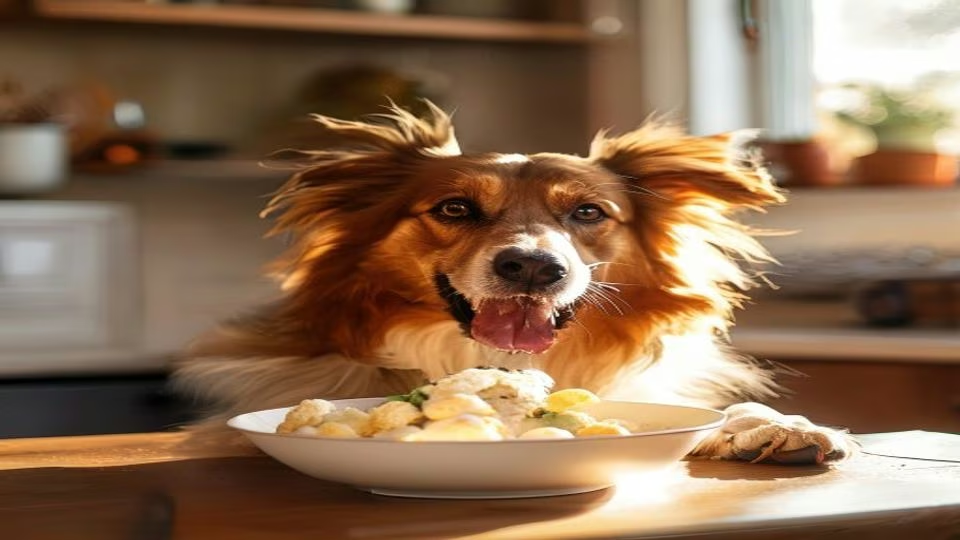
Can Dogs Eat Cauliflower? Benefits, Risks & Indian Serving Tips
5 min read · Updated May 2026
Yes, most dogs can eat Cauliflower in small amounts, served plain and unseasoned: no salt, sugar, oil, ghee, butter, onion or garlic. Start slowly on the first try, use the portions outlined below, and hold off if the dog is a puppy under three months, diabetic, or has a known sensitivity, unless your vet says otherwise.
Is Cauliflower (Gobhi) From Your Indian Kitchen Safe for Dogs?
UNSAFE: Phool gobhi ki sabzi (onion, garlic, spices), aloo gobhi (has potato with spices and onion), gobhi paratha (oil and masala filling), gobhi in any Indian curry. Only plain steamed or raw phool gobhi, no seasoning.
Homemade Cauliflower Recipe for Dogs, Indian Katori Measures
Ingredients: A few small florets of cauliflower, cooked or raw
Method:
- Wash and cut into small florets.
- Boil or steam lightly, or offer raw in small amounts.
- No salt, oil, or seasoning.
Serving size: A couple of florets, like broccoli, keep portions modest to avoid gas.
Health Benefits of Cauliflower for Dogs
Vitamin C for immune support; Vitamin K for blood clotting; choline for brain health; fibre for digestion; antioxidants (glucosinolates) may have anti-cancer effects; very low calorie at 25 kcal per 100g.
Nutritional Profile of Cauliflower (per 100g)
| Nutrient | Amount | Benefit for Dogs |
|---|---|---|
| Vitamin C | 48.2mg | Good immune support |
| Vitamin K | 15.5µg | Blood clotting |
| Choline | 44.3mg | Brain health, liver function |
| Fibre | 2g | Digestive health |
| Calories | 25 kcal | Low calorie treat |
Risks of Cauliflower for Dogs, And When to Worry
| Risk | Level | Most at risk |
|---|---|---|
| Gas and bloating, can be significant | MEDIUM | All dogs, especially large/deep-chested breeds |
| Glucosinolates affect thyroid with regular large amounts | LOW | Dogs with thyroid conditions |
| All Indian phool gobhi preparations contain spices and onion | HIGH | All dogs |
Indian-specific concerns: Diabetic dogs, obese apartment dogs (Labs, Pugs, Beagles with limited exercise), puppies under 3 months, senior dogs, and dogs with kidney or liver conditions should be treated with extra care when it comes to Cauliflower. Get your vet's view first for any dog with a chronic health problem.
- • Vomiting or diarrhoea within hours of eating Cauliflower
- • Lethargy, collapse, or seizures
- • Swollen face, hives, or difficulty breathing
- • Pale or yellowish gums
- CUPA Bangalore 080-22947301
- PFA Delhi 011-45615915
- Blue Cross Chennai 044-22350586
- Bombay SPCA Mumbai 022-24137518
- RESQ Pune 98909-99111
- PFA Hyderabad 73374-50643
- CSPCA Kolkata 033-22367738
- PFA Ahmedabad 94270-00501
Cauliflower Is a Treat, Not a Complete Meal
- Cauliflower should stay under 10% of daily calories
- The other 90% must be a balanced, complete dog food
- Compare brands, sizes and prices on Amazon
Prices and availability shown on Amazon. We may earn a commission at no extra cost to you.
How Much Cauliflower Can My Dog Eat? Indian Portion Guide
| Dog Size | Breed Examples (India) | Weight | Safe Serving | Frequency | Indian Measure |
|---|---|---|---|---|---|
| Toy / Puppy | Spitz, Pom, Indie pup | 2–5 kg | 5–8g | Once a week | Size of 1 cashew |
| Small | Beagle, Dachshund, Lhasa | 5–10 kg | 10–15g | Twice a week | Size of 1 almond |
| Medium | Indie dog, Cocker Spaniel | 10–25 kg | 20–30g | 2–3x a week | Half a small katori |
| Large | Labrador, Golden, GSD | 25–40 kg | 40–60g | 3x a week | 1 small katori |
| Giant | Great Dane, Saint Bernard | 40 kg+ | 60–80g | 3x a week | 1 full vati |
Indie dog note: Most Indie and street dogs have hardy digestion, though their typical 10–20 kg weight means the Medium column is the right guide. Go slow with new foods for any dog that was rescued recently.
Can Indian Dog Breeds Eat Cauliflower? Breed-by-Breed Guide
Each popular Indian breed has its own metabolism, health risks and food tolerances. Here is exactly how cauliflower affects the breeds most commonly kept as pets in India.
Labrador Retriever, India's Most Popular Breed
Labradors are India's most food-obsessed breed and safe with cauliflower. For Labs the main hazard is obesity; apartment dogs here get little exercise and gain weight quickly. Use the Large-size row in the guide above as your limit. Cut cauliflower into small pieces since Labs typically swallow food without chewing, creating a choking risk even with soft foods.
Golden Retriever
Golden Retrievers have among the highest cancer rates of any breed, making antioxidant-rich foods like cauliflower genuinely beneficial rather than just a treat. Their high activity level means they burn calories well, but keep cauliflower to the Large column portions. Goldens overheat in Indian summers, frozen cauliflower pieces are an excellent hot-weather cooling treat.
Indian Pariah Dog (INDog / Indie Dog)
Because Indian Pariah Dogs adapted to street scraps, their digestion tends to be tougher than a pedigree's. Cauliflower is well-suited for Indie dogs. Since the average INDog is 12–20 kg, use the Medium column. If you have recently rescued a street dog, introduce cauliflower gradually, start with half the portion and wait 48 hours to confirm no digestive reaction.
Pomeranian & Indian Spitz
Standard adult amounts are too much for the tiny 2–5 kg build of a Pomeranian or Indian Spitz. Keep strictly to the Toy column figures. Their small mouths make choking a real risk, cut cauliflower into pieces no larger than a pea. Size aside, a Pom will keep eating; controlling the amount is your job.
German Shepherd
German Shepherds are active working dogs who handle cauliflower well. Their one vulnerability is a sensitive gastrointestinal tract, introduce cauliflower slowly if it is new to your GSD's diet. Provided your dog tolerates it, cap servings at the Large-column figures above. GSDs in cooler Indian hill regions (Himachal, Uttarakhand, Coorg) can receive cauliflower year-round without seasonal restriction.
Feeding Cauliflower in India, Seasonal Guide
India's extreme climate variation affects how you should store and serve cauliflower to your dog throughout the year.
Summer (March–June)
Indian summer heat (40°C+ in many cities) speeds bacterial growth on cut cauliflower. Get it into the fridge within half an hour of cutting. Frozen cauliflower pieces are a safe and cooling treat, especially for Labs and Goldens prone to heat exhaustion. Never leave cauliflower out in a bowl for more than 20 minutes in summer temperatures.
Monsoon (June–September)
Monsoon humidity (June–September) creates ideal conditions for mould and bacterial growth on cauliflower. Check it over before it goes in the bowl, and bin anything that has gone soft, off-colour or smells past its best. Buy cauliflower fresh and serve the same day rather than storing cut pieces. Humid monsoon weeks coincide with a gut in flux, so spoilage bacteria bite harder.
Winter (November–February)
North Indian winters (especially in Delhi, Punjab, UP) bring cauliflower to room temperature quickly if taken from the refrigerator, brief warming is fine and actually preferable to serving cold food to dogs in cold climates. South Indian and coastal dogs can eat cauliflower year-round with standard precautions.
Cooked, Raw, Stalks, Leaves, Cheese, Pizza Crust & Rice
Cauliflower (phool gobi) is safe in moderation and easy to share with a dog, like broccoli, it can cause gas in larger amounts. Detail:
- Plain cooked cauliflower (boiled or steamed): Easier on the stomach than raw; the typical form to share.
- Raw cauliflower: Safe in small florets; tougher to digest and more gas-producing.
- Cauliflower stalks and stems: Fibrous; chop small.
- Cauliflower leaves: Non-toxic; tend to be bitter, most dogs ignore them.
- Cauliflower cheese: Skip, the cheese sauce adds salt and fat. Plain cauliflower is the better version.
- Cauliflower pizza crust: The base ingredient (riced cauliflower) is fine; commercial crusts often add salt, cheese, garlic and eggs. Plain home-made crust without the seasoning is the only safe-share version.
- Cauliflower rice: Plain riced cauliflower (steamed plain, no salt) is a fine low-carb topper.
- Aloo gobi: No, the curry is built on onion, garlic, salt and oil. See our aloo gobi guide.
People Also Ask, Related Vegetables Safety Questions
Indian dog owners also ask about these vegetables:
More Vegetables Safety Guides
Explore the full vegetables safety guide →, every food reviewed
Frequently Asked Questions About Cauliflower for Dogs
Other Safe Foods Like Cauliflower for Dogs
- Bamboo Shoots
- Broccoli, Very similar brassica, slightly more nutrition
- Green Beans, Less gas, equally safe
- Peas, Similar nutrition, less gas concern
See our complete guide to all 905 foods →
3 Common Myths About Cauliflower and Dogs, Debunked by About
These misconceptions about feeding cauliflower to dogs are widespread among Indian pet owners, and some are genuinely dangerous.
❌ Myth: "Cauliflower is natural so dogs can eat as much as they want"
✅ Reality: every food, healthy or not, counts toward the 10% treat rule for dogs. Anything over 10% of the day's calories in treats unbalances the diet and invites weight and digestive problems. Natural does not mean unlimited. Stick to the katori portion guide below, even with fully safe foods like cauliflower.
❌ Myth: "Cauliflower-flavoured products and packaged snacks are the same as fresh Cauliflower"
✅ Reality: Packaged cauliflower products, juices, dried forms, flavoured biscuits, frequently contain xylitol, added salt, sugar, or preservatives that are harmful or toxic to dogs. Only plain, fresh cauliflower with no additives should be given. With anything packaged, read the label end to end before a crumb reaches your dog.
❌ Myth: "Street dogs eat scraps including Cauliflower, so it must be completely safe for all dogs"
✅ Reality: Tolerating something and thriving on it are two very different things. A street dog's tolerance reflects survival, not safety. They also suffer undiagnosed chronic issues. A pet dog, especially one prone to weight gain, pancreatitis or allergies, needs measured, deliberate feeding.
Editorial Note
"With cauliflower, the factors that matter most are preparation and quantity, not just the safety rating. The label points the way, but portion and frequency are what truly decide the outcome. Let the katori amounts here be your opening guide, adjusted to your dog's response."
, dogeats.in Editorial TeamEditorially Rigorous
Sources & References
- American Kennel Club (AKC), Source-verified food safety guidance for dogs
- PetMD Veterinary Review, Veterinarian-reviewed canine nutrition guide
- National Institute of Nutrition (NIN), Hyderabad, Indian food composition tables
- Indian Council of Agricultural Research (ICAR), Indian food safety and agricultural standards