Data report · Updated October 2026
Dog Heatstroke Statistics: Survival Rates, Recovery, Triggers and Which Dogs Are Most at Risk
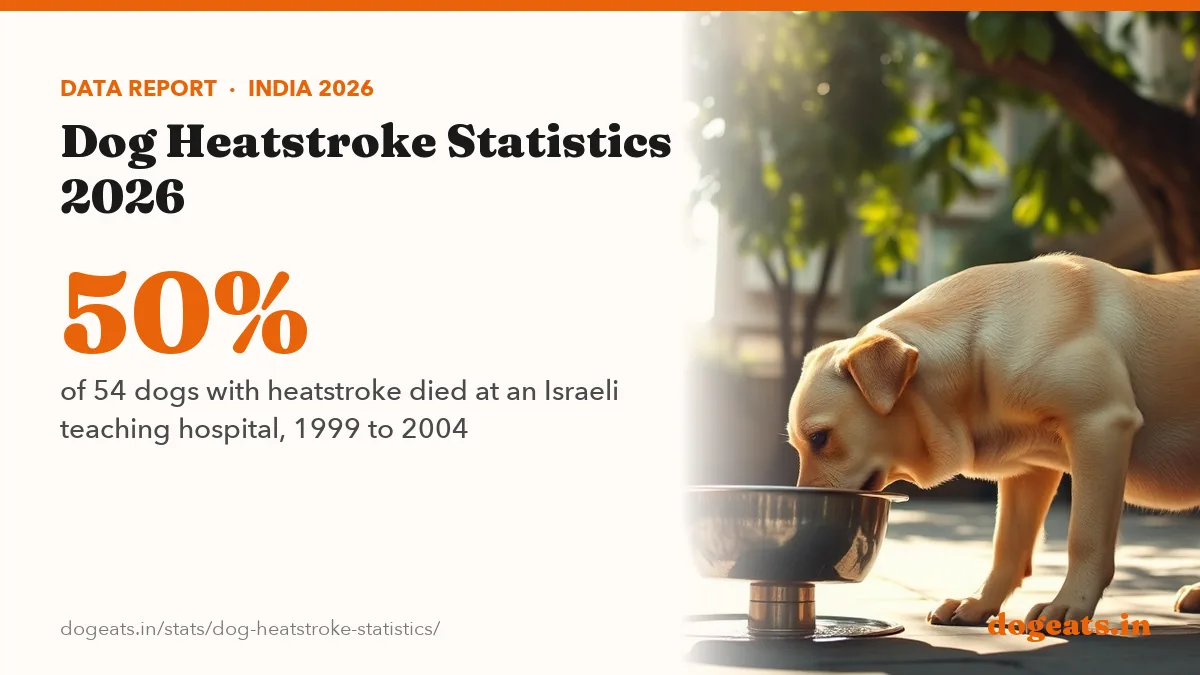
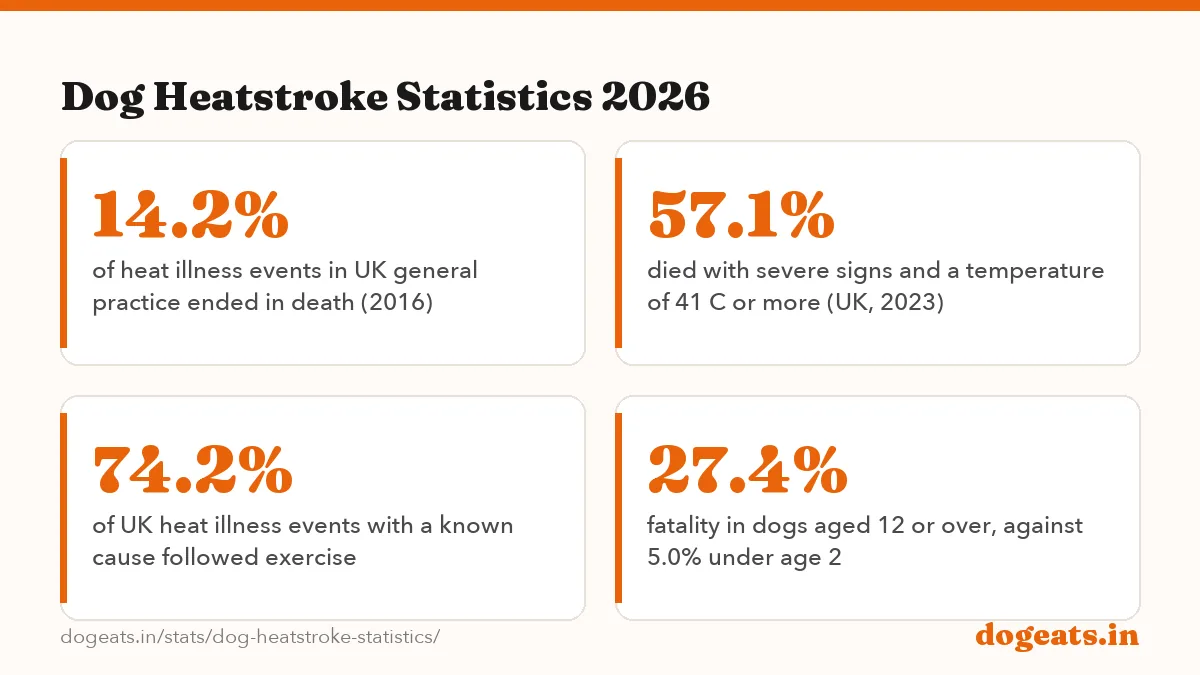
Most dogs with heat-related illness survive, but heatstroke is often fatal: survival ranged from 89% in UK general practices to 45% to 64% in hospital studies of severe cases. In UK emergency clinics in 2023, 57% of dogs with severe signs and a temperature of 41 C (105.8 F) or more died. India collects no data on dog heatstroke, yet it logged 554 heatwave days in 2024.

Key findings
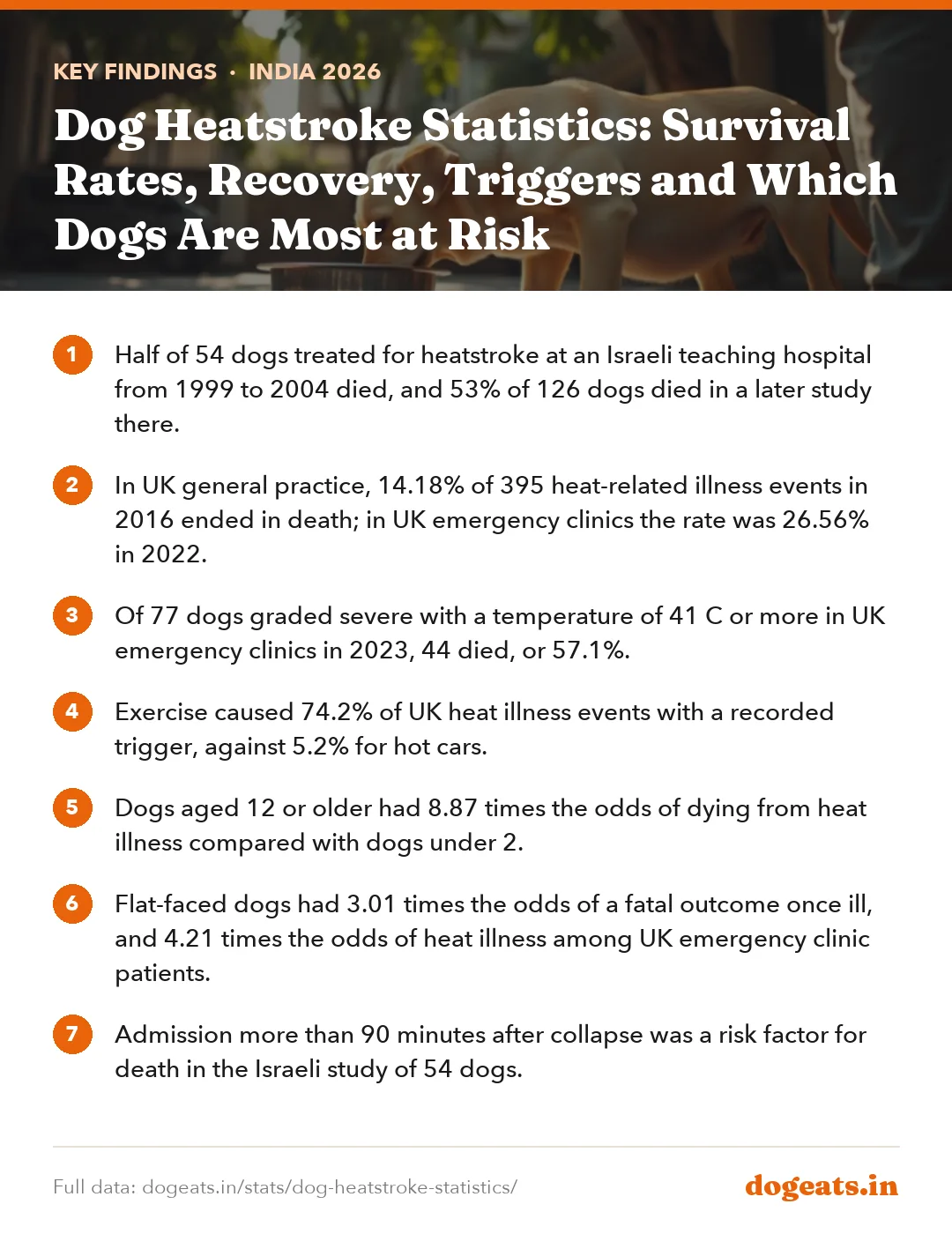
- Half of 54 dogs treated for heatstroke at an Israeli teaching hospital from 1999 to 2004 died, and 53% of 126 dogs died in a later study there.
- In UK general practice, 14.18% of 395 heat-related illness events in 2016 ended in death; in UK emergency clinics the rate was 26.56% in 2022.
- Of 77 dogs graded severe with a temperature of 41 C or more in UK emergency clinics in 2023, 44 died, or 57.1%.
- Exercise caused 74.2% of UK heat illness events with a recorded trigger, against 5.2% for hot cars.
- Dogs aged 12 or older had 8.87 times the odds of dying from heat illness compared with dogs under 2.
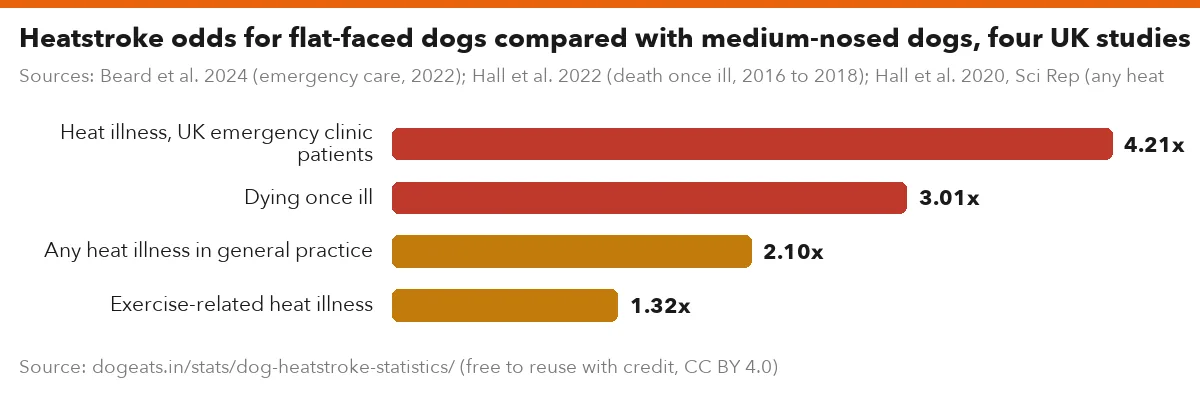
- Flat-faced dogs had 3.01 times the odds of a fatal outcome once ill, and 4.21 times the odds of heat illness among UK emergency clinic patients.
- Admission more than 90 minutes after collapse was a risk factor for death in the Israeli study of 54 dogs.
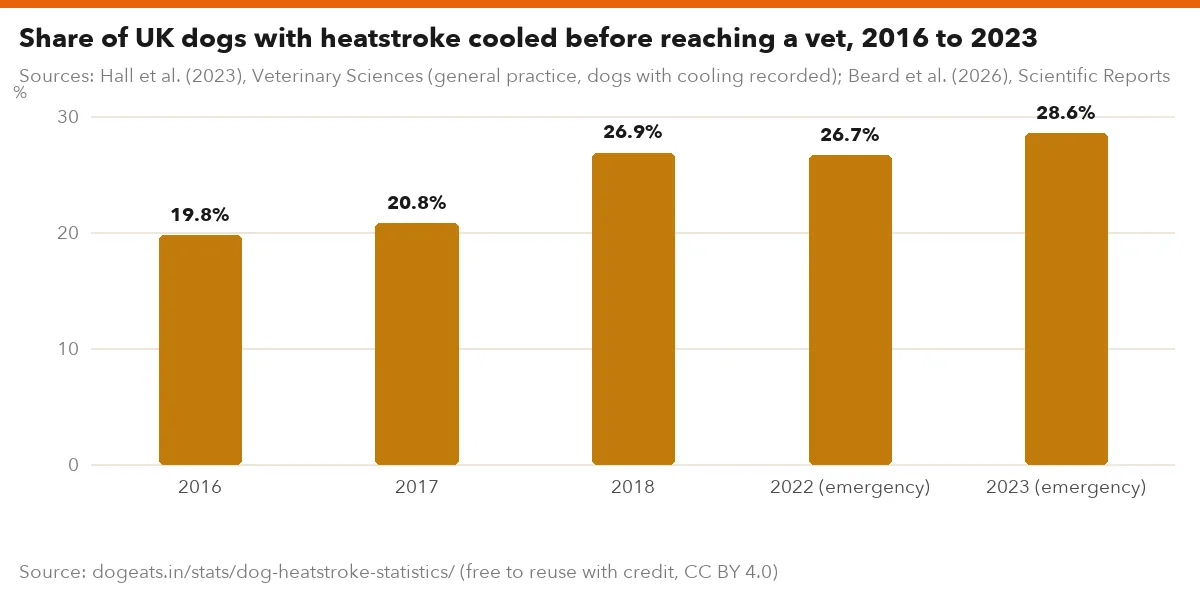
- Only 21.7% of UK dogs with heat illness were cooled before being taken to a vet in 2016 to 2018, rising to 28.6% in 2023 emergency cases.
- Recorded dog deaths from all causes in New South Wales rose 0.6% for each 1 C of daily maximum above 25 C, and 9.5% on days above 32 C.
- India recorded 554 heatwave days in 2024 and 182 in 2025, but no Indian study or register counts dog heatstroke cases.
What is the survival rate for dog heatstroke?
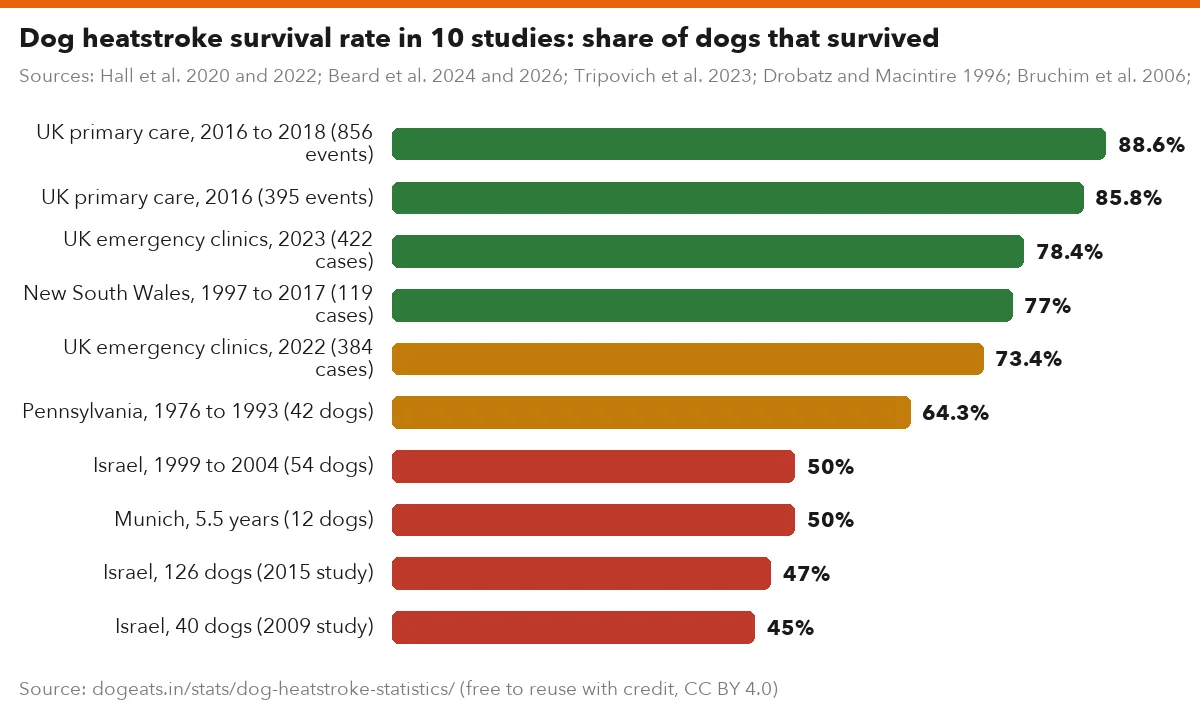
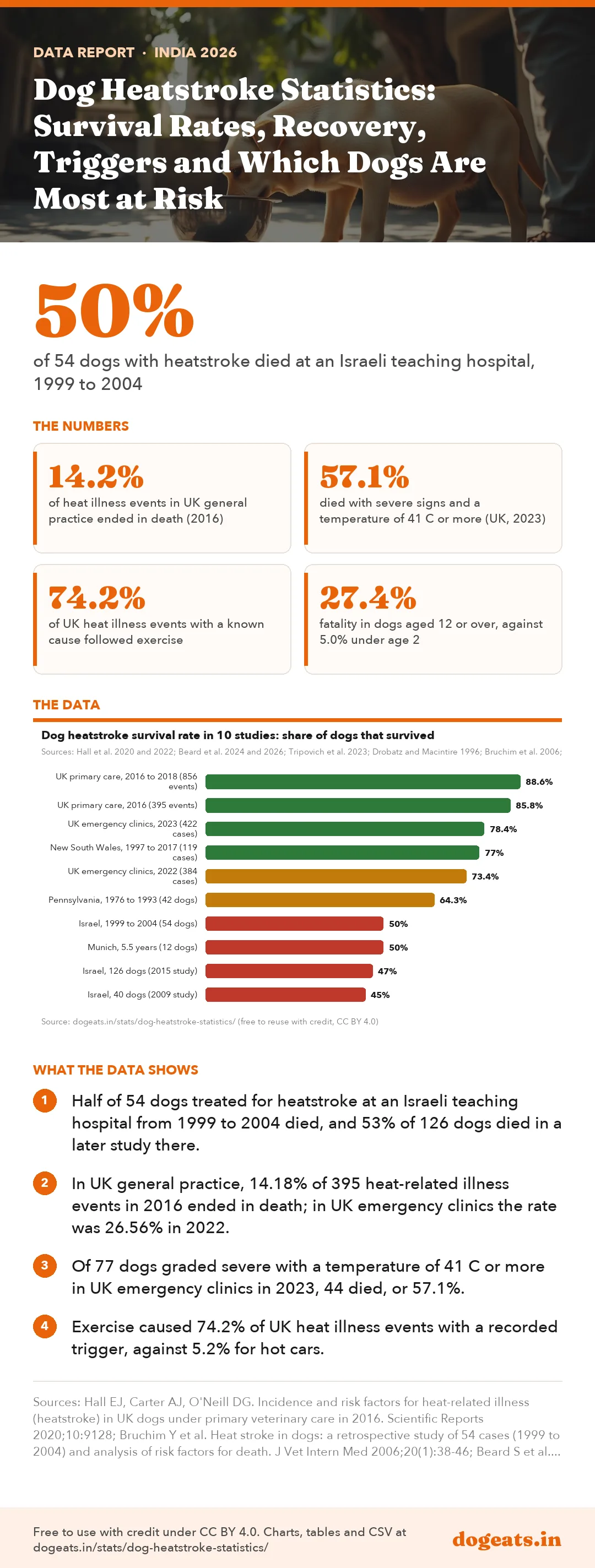
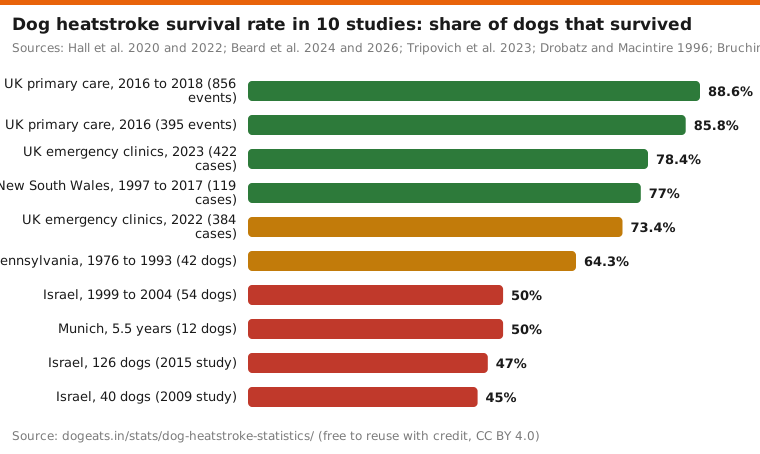
Survival depends on how sick the dog is when it reaches a vet. Across 10 studies, survival ran from 89% in UK general practice to 45% in an Israeli hospital study of severe cases.
General practice sees every grade of heat illness, including dogs that only panted hard after a walk. In UK clinics from 2016 to 2018, 98 of 856 events ended in death, so 88.6% survived. In 2016 alone, 14.18% of 395 events were fatal.
Hospital and emergency studies see sicker dogs. Half of 54 Israeli heatstroke cases died, as did 15 of 42 dogs in Pennsylvania and 6 of 12 in Munich. UK emergency clinics lost 26.56% of 384 dogs in 2022 and 21.56% of 422 in 2023.
Sources: Hall et al. 2020 and 2022; Beard et al. 2024 and 2026; Tripovich et al. 2023; Drobatz and Macintire 1996; Bruchim et al. 2006; Teichmann et al. 2014; Segev et al. 2015; Aroch et al. 2009. Survival = 100% minus reported deaths, including euthanasia.
Show the numbers
| Label | % |
|---|---|
| UK primary care, 2016 to 2018 (856 events) | 88.6% |
| UK primary care, 2016 (395 events) | 85.8% |
| UK emergency clinics, 2023 (422 cases) | 78.4% |
| New South Wales, 1997 to 2017 (119 cases) | 77% |
| UK emergency clinics, 2022 (384 cases) | 73.4% |
| Pennsylvania, 1976 to 1993 (42 dogs) | 64.3% |
| Israel, 1999 to 2004 (54 dogs) | 50% |
| Munich, 5.5 years (12 dogs) | 50% |
| Israel, 126 dogs (2015 study) | 47% |
| Israel, 40 dogs (2009 study) | 45% |
Embed this chart
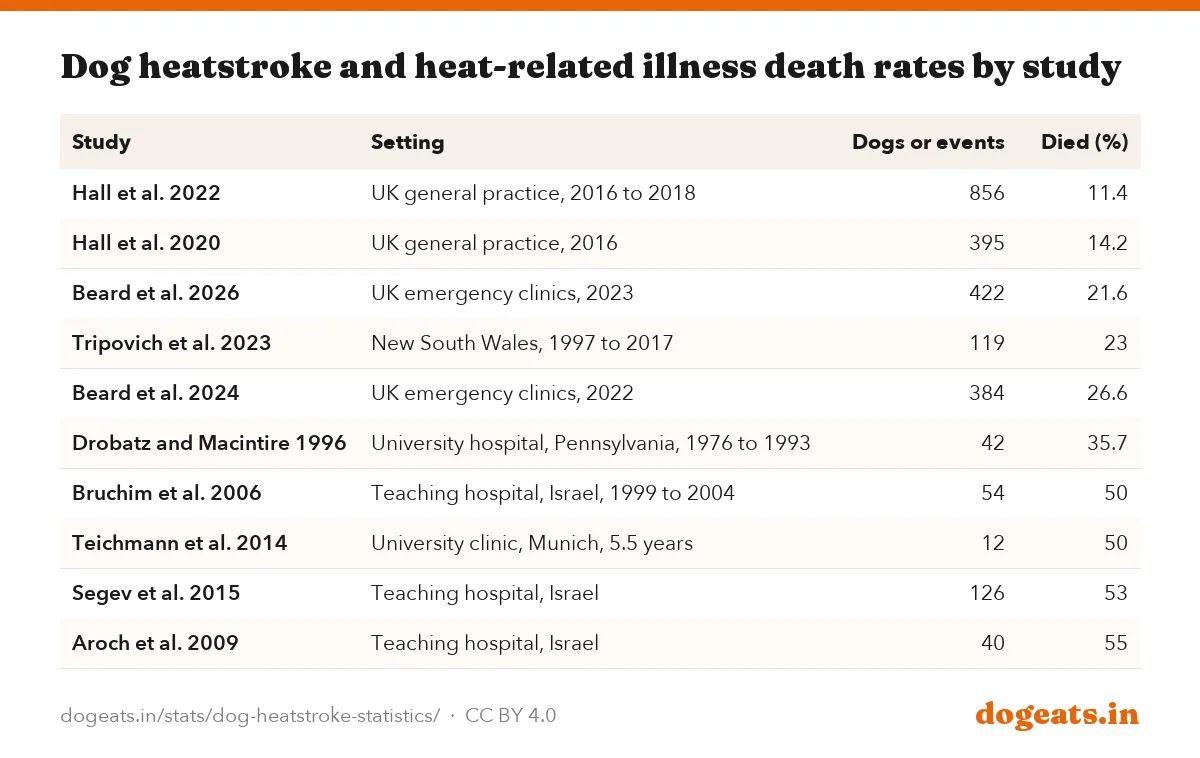
| Study | Setting | Dogs or events | Died (%) |
|---|---|---|---|
| Hall et al. 2022 | UK general practice, 2016 to 2018 | 856 | 11.4 |
| Hall et al. 2020 | UK general practice, 2016 | 395 | 14.2 |
| Beard et al. 2026 | UK emergency clinics, 2023 | 422 | 21.6 |
| Tripovich et al. 2023 | New South Wales, 1997 to 2017 | 119 | 23 |
| Beard et al. 2024 | UK emergency clinics, 2022 | 384 | 26.6 |
| Drobatz and Macintire 1996 | University hospital, Pennsylvania, 1976 to 1993 | 42 | 35.7 |
| Bruchim et al. 2006 | Teaching hospital, Israel, 1999 to 2004 | 54 | 50 |
| Teichmann et al. 2014 | University clinic, Munich, 5.5 years | 12 | 50 |
| Segev et al. 2015 | Teaching hospital, Israel | 126 | 53 |
| Aroch et al. 2009 | Teaching hospital, Israel | 40 | 55 |
Most deaths include euthanasia. In UK emergency clinics in 2022, 64 of the 102 deaths were euthanasia and 10 dogs were dead on arrival.
Which dogs are most likely to die of heatstroke?
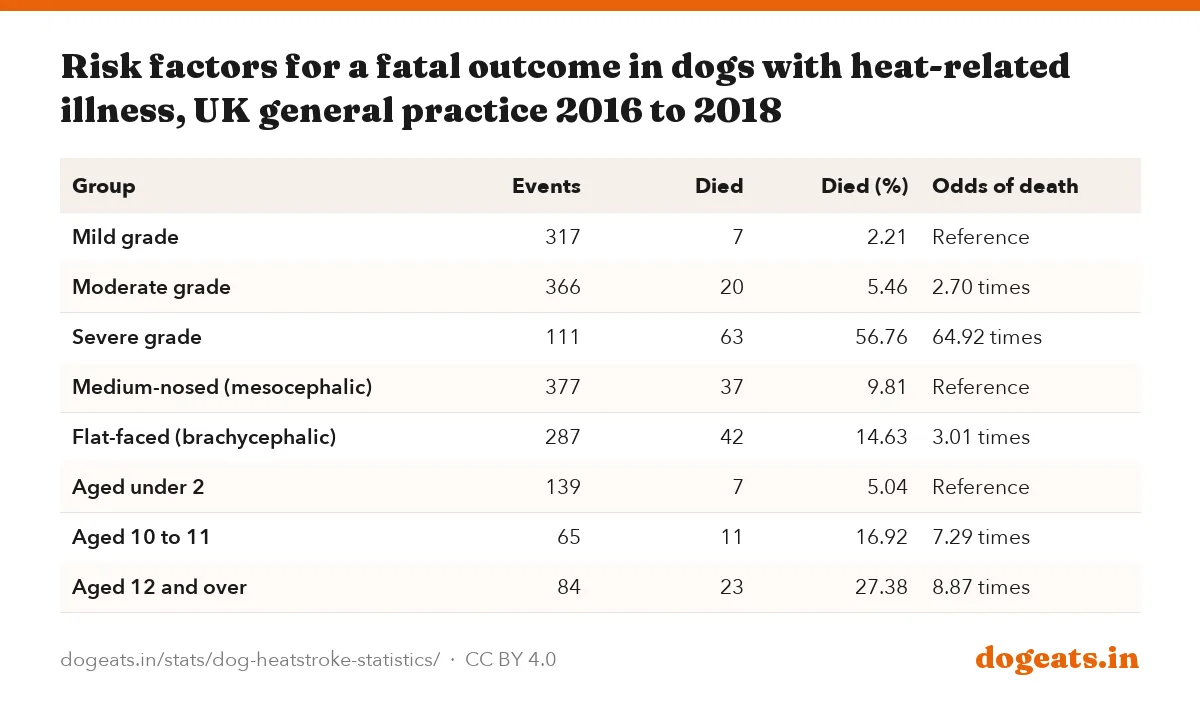
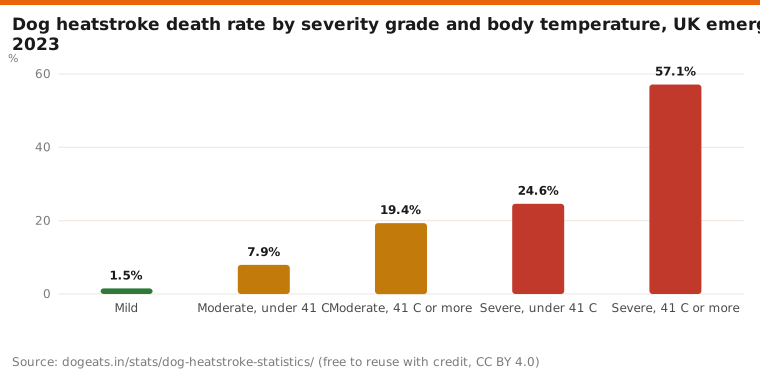
Severity at arrival is the strongest signal. In UK general practice from 2016 to 2018, 2.21% of mild cases died, 5.46% of moderate cases and 56.76% of severe cases.
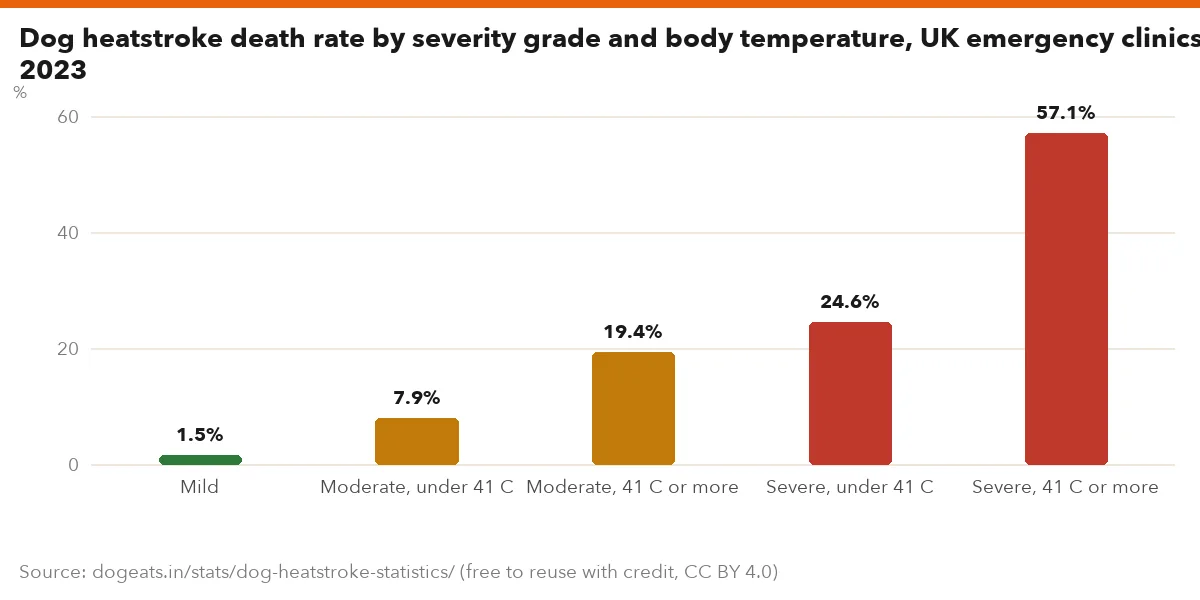
A revised grading tool published in 2026 adds body temperature. In 2023 emergency cases, 1.52% of mild cases died. Among severe cases, 24.59% died below 41 C and 57.14% at 41 C or more.
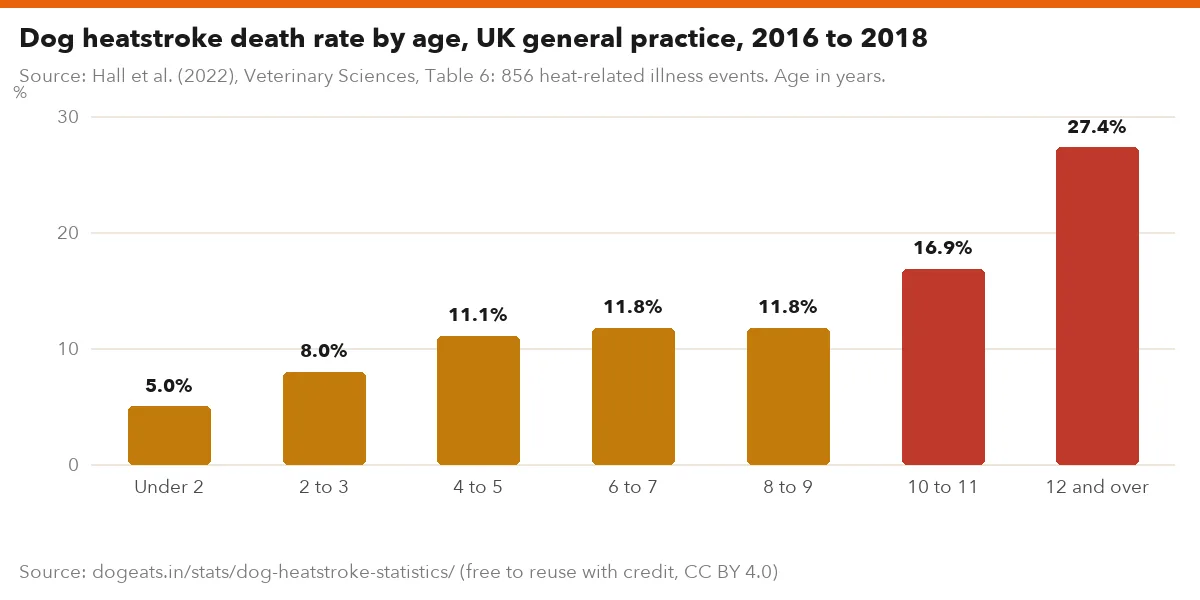
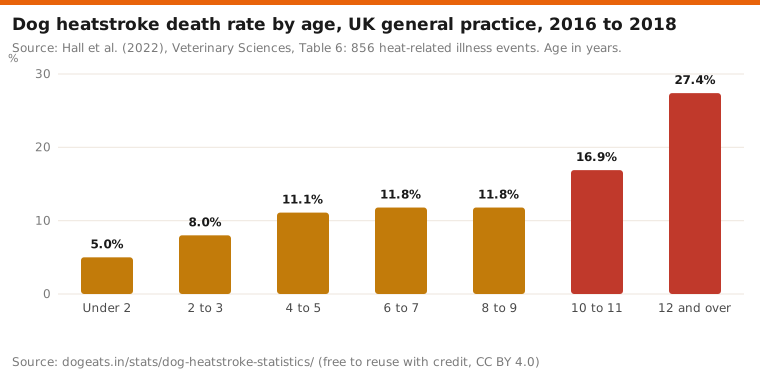
Age adds risk. Fatality rose from 5.04% in dogs under 2 to 27.38% in dogs aged 12 or more. Those oldest dogs had 8.87 times the odds of death, and flat-faced dogs 3.01 times the odds of medium-nosed dogs.
Source: Beard et al. (2026), Scientific Reports, Table 4: 422 cases graded with the revised VetCompass heat-related illness tool. Deaths include euthanasia.
Show the numbers
| Label | % |
|---|---|
| Mild | 1.5% |
| Moderate, under 41 C | 7.9% |
| Moderate, 41 C or more | 19.4% |
| Severe, under 41 C | 24.6% |
| Severe, 41 C or more | 57.1% |
Embed this chart
Source: Hall et al. (2022), Veterinary Sciences, Table 6: 856 heat-related illness events. Age in years.
Show the numbers
| Label | % |
|---|---|
| Under 2 | 5.0% |
| 2 to 3 | 8.0% |
| 4 to 5 | 11.1% |
| 6 to 7 | 11.8% |
| 8 to 9 | 11.8% |
| 10 to 11 | 16.9% |
| 12 and over | 27.4% |
Embed this chart
| Group | Events | Died | Died (%) | Odds of death |
|---|---|---|---|---|
| Mild grade | 317 | 7 | 2.21 | Reference |
| Moderate grade | 366 | 20 | 5.46 | 2.70 times |
| Severe grade | 111 | 63 | 56.76 | 64.92 times |
| Medium-nosed (mesocephalic) | 377 | 37 | 9.81 | Reference |
| Flat-faced (brachycephalic) | 287 | 42 | 14.63 | 3.01 times |
| Aged under 2 | 139 | 7 | 5.04 | Reference |
| Aged 10 to 11 | 65 | 11 | 16.92 | 7.29 times |
| Aged 12 and over | 84 | 23 | 27.38 | 8.87 times |
What causes heatstroke in dogs?
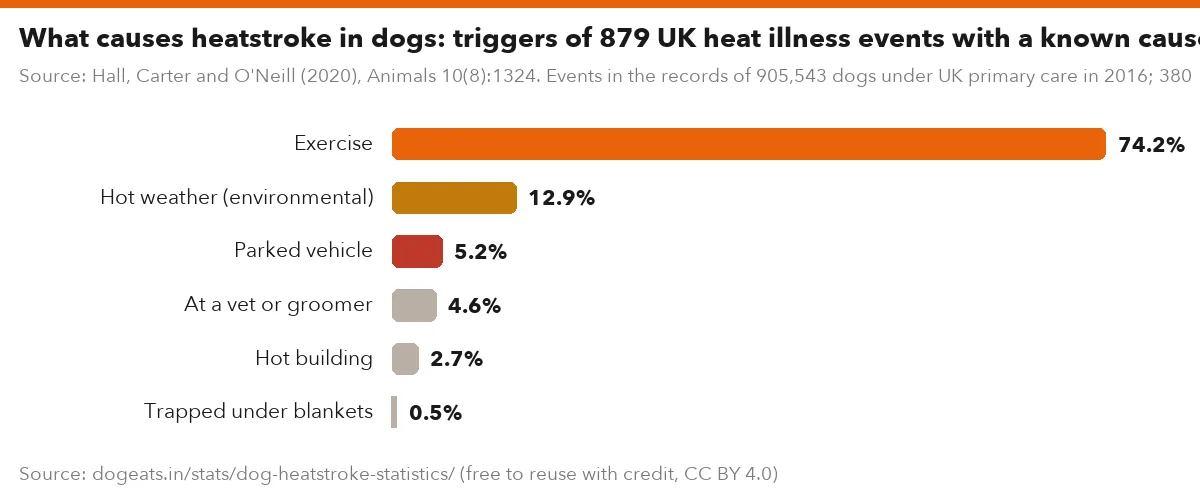
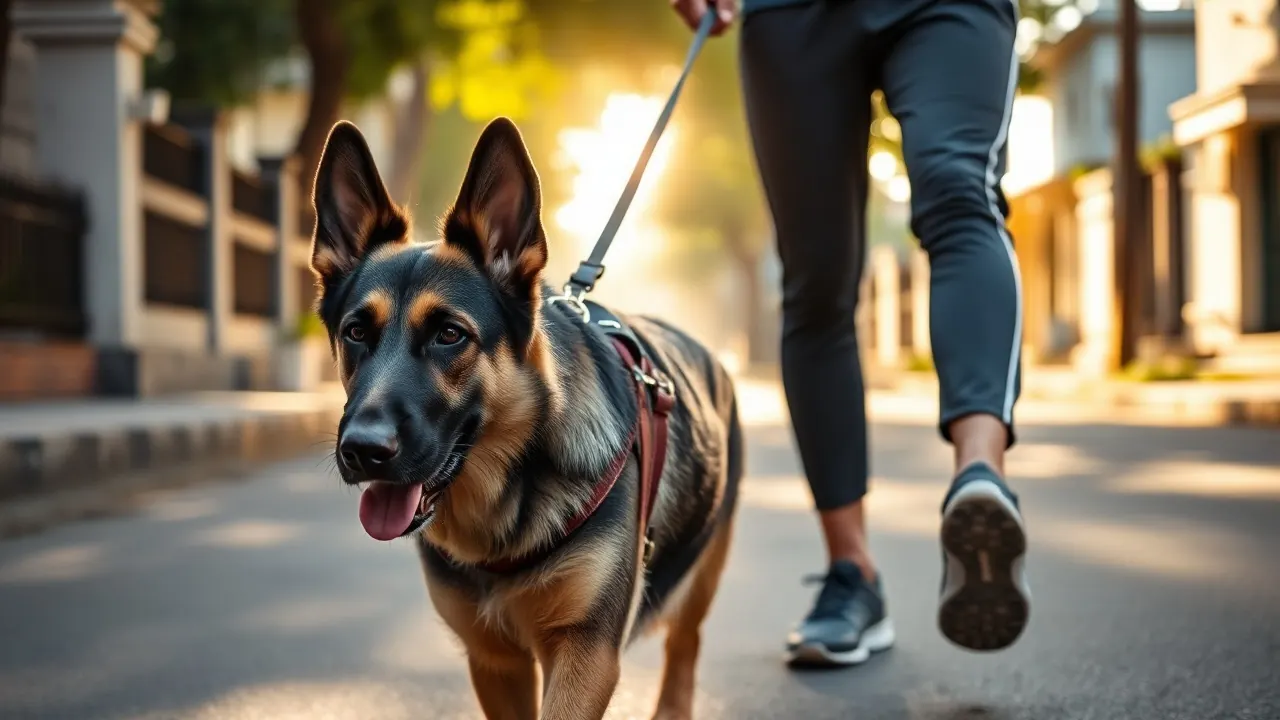
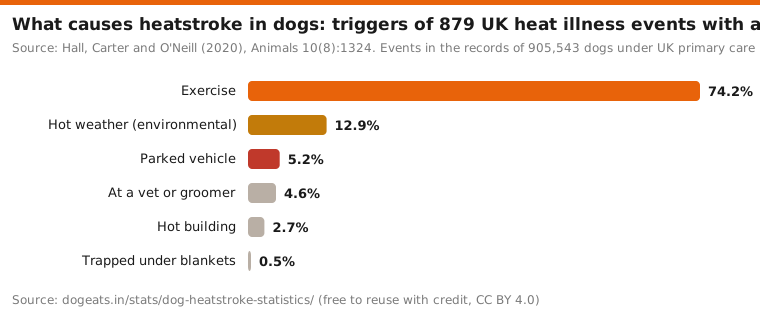
Exercise causes most cases, not hot cars. Of 879 UK events with a recorded trigger, from the records of dogs seen in 2016, 74.2% followed exercise, 12.9% hot weather alone and 5.2% a parked car.
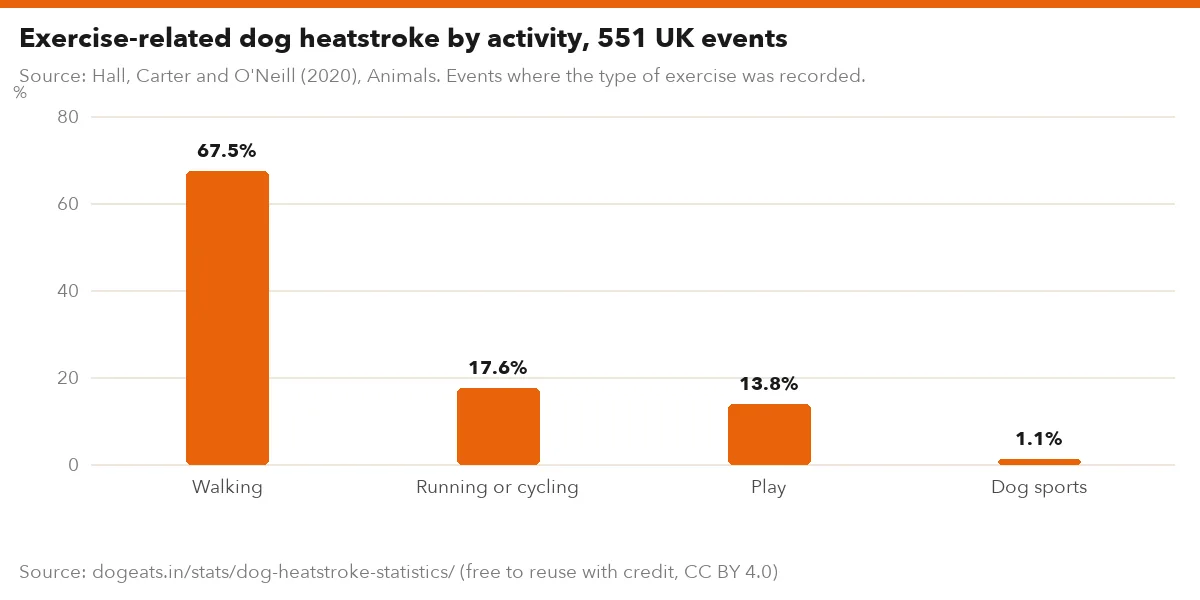
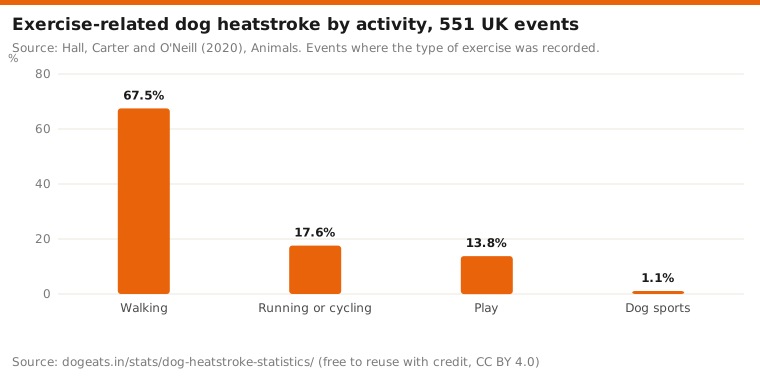
Of 551 exercise cases with a known activity, 67.5% followed an ordinary walk. Running or cycling accounted for 17.6%, play for 13.8% and dog sports for 1.1%.
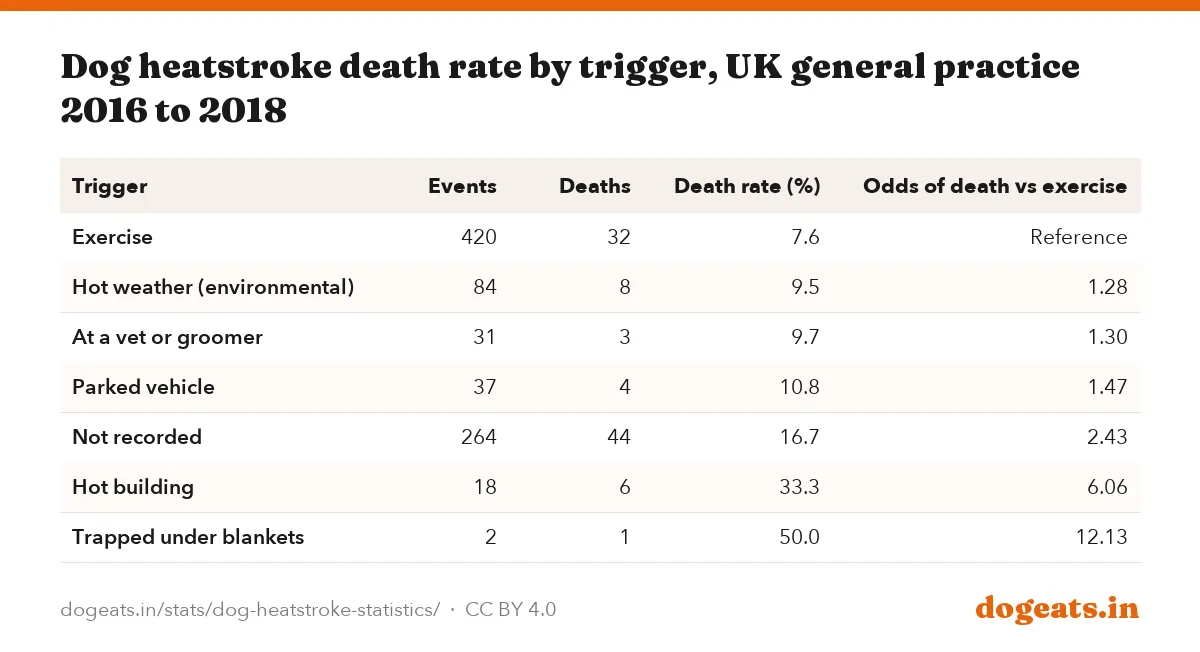
Cars are rarer but more dangerous per case. Dogs trapped in vehicles had 3.03 times the odds of severe illness. Hot buildings had a 33.3% death rate, though from only 18 events.
Source: Hall, Carter and O'Neill (2020), Animals 10(8):1324. Events in the records of 905,543 dogs under UK primary care in 2016; 380 more events had no trigger recorded.
Show the numbers
| Label | % |
|---|---|
| Exercise | 74.2% |
| Hot weather (environmental) | 12.9% |
| Parked vehicle | 5.2% |
| At a vet or groomer | 4.6% |
| Hot building | 2.7% |
| Trapped under blankets | 0.5% |
Embed this chart
| Trigger | Events | Deaths | Death rate (%) | Odds of death vs exercise |
|---|---|---|---|---|
| Exercise | 420 | 32 | 7.6 | Reference |
| Hot weather (environmental) | 84 | 8 | 9.5 | 1.28 |
| At a vet or groomer | 31 | 3 | 9.7 | 1.30 |
| Parked vehicle | 37 | 4 | 10.8 | 1.47 |
| Not recorded | 264 | 44 | 16.7 | 2.43 |
| Hot building | 18 | 6 | 33.3 | 6.06 |
| Trapped under blankets | 2 | 1 | 50.0 | 12.13 |
Source: Hall, Carter and O'Neill (2020), Animals. Events where the type of exercise was recorded.
Show the numbers
| Label | % |
|---|---|
| Walking | 67.5% |
| Running or cycling | 17.6% |
| Play | 13.8% |
| Dog sports | 1.1% |
Embed this chart
A UK surveillance network found the same pattern from 2013 to 2018. Exercise triggered 73.5% of dog cases with a known cause, and 42.5% of cases came in July, the hottest month.
In India, where summer walks often happen in 40 C heat, read our guide to how hot is too hot for dogs for pavement and timing data.
What are the signs of heatstroke in a dog, and at what temperature?
Heavy panting, laboured breathing and vomiting are the most recorded signs. Among 364 UK emergency cases in 2022, 59.9% were panting, 50.8% had breathing difficulty and 33.2% were vomiting.
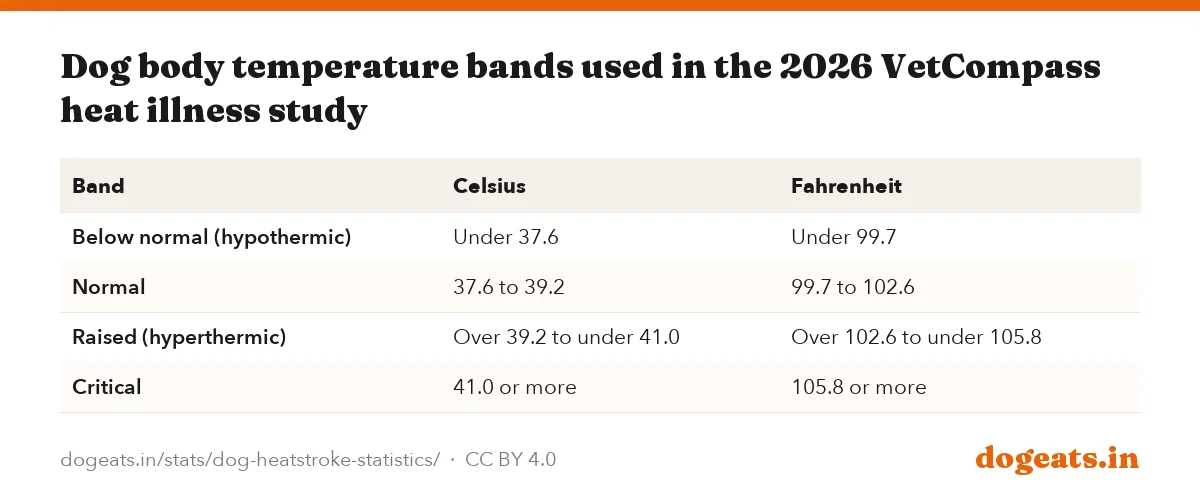
Vets have long defined severe heatstroke by a body temperature of 41.0 C (105.8 F) or more with signs of brain dysfunction. The 2026 UK study used 37.6 to 39.2 C (99.7 to 102.6 F) as normal.
A high reading at the clinic is a warning sign. Among moderate cases in 2022, 25.0% of dogs at 41 C or more died, against 8.9% of cooler dogs. For severe cases the figures were 64.9% and 40.9%.
| Band | Celsius | Fahrenheit |
|---|---|---|
| Below normal (hypothermic) | Under 37.6 | Under 99.7 |
| Normal | 37.6 to 39.2 | 99.7 to 102.6 |
| Raised (hyperthermic) | Over 39.2 to under 41.0 | Over 102.6 to under 105.8 |
| Critical | 41.0 or more | 105.8 or more |
- Panting: 59.9% of 364 graded UK emergency cases in 2022.
- Breathing difficulty (dyspnoea): 50.8%.
- Vomiting: 33.2%.
- A body temperature of 41 C or more at a hospital visit: 27 of 54 Israeli heatstroke dogs.
- Low blood sugar, clotting problems, seizures and kidney injury: each linked to death in the Israeli study.
How long does a dog take to recover from heatstroke?
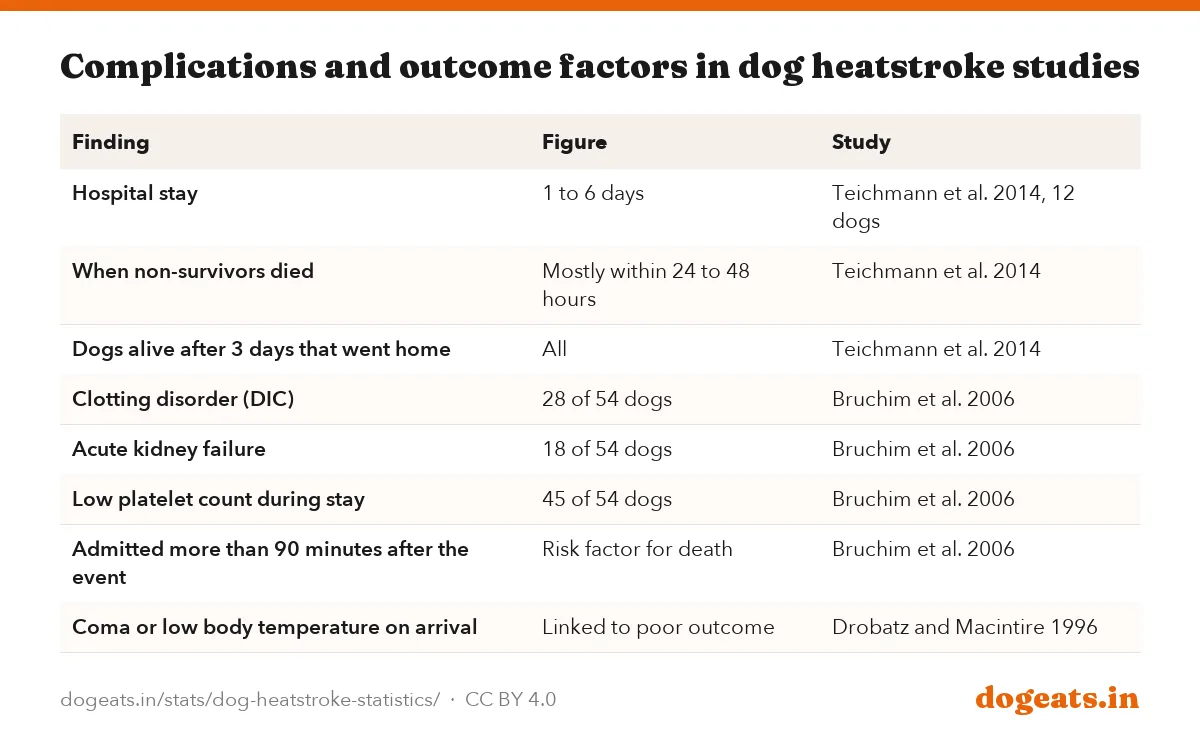
Dogs that survive the first few days usually recover. In a Munich clinic study of 12 dogs, hospital stays ran 1 to 6 days. Most deaths came within 24 to 48 hours, and every dog alive after 3 days went home.
Complications decide the outcome. In the Israeli study of 54 dogs, 28 developed a clotting disorder called DIC and 18 had acute kidney failure, both risk factors for death. Seizures and obesity were risk factors too.
Studies follow dogs only until discharge, so long-term recovery data is thin. Ask your vet about follow-up checks after any heatstroke. Vet access varies widely by state, as our vets per lakh population report shows.
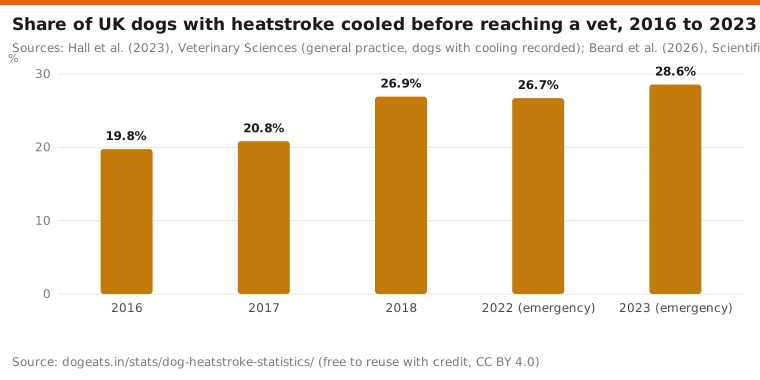
Sources: Hall et al. (2023), Veterinary Sciences (general practice, dogs with cooling recorded); Beard et al. (2026), Scientific Reports (emergency clinics: 102 of 382 dogs in 2022, 120 of 420 in 2023).
Show the numbers
| Label | % |
|---|---|
| 2016 | 19.8% |
| 2017 | 20.8% |
| 2018 | 26.9% |
| 2022 (emergency) | 26.7% |
| 2023 (emergency) | 28.6% |
Embed this chart
| Finding | Figure | Study |
|---|---|---|
| Hospital stay | 1 to 6 days | Teichmann et al. 2014, 12 dogs |
| When non-survivors died | Mostly within 24 to 48 hours | Teichmann et al. 2014 |
| Dogs alive after 3 days that went home | All | Teichmann et al. 2014 |
| Clotting disorder (DIC) | 28 of 54 dogs | Bruchim et al. 2006 |
| Acute kidney failure | 18 of 54 dogs | Bruchim et al. 2006 |
| Low platelet count during stay | 45 of 54 dogs | Bruchim et al. 2006 |
| Admitted more than 90 minutes after the event | Risk factor for death | Bruchim et al. 2006 |
| Coma or low body temperature on arrival | Linked to poor outcome | Drobatz and Macintire 1996 |
Cooling before transport is rare. Guidelines from 2016 advised cooling first and transporting second, a UK study notes. Yet of 341 dogs with cooling recorded in 2016 to 2018, only 21.7% were cooled before reaching a vet.
Wet towels were the most common method, used for 51.3% of dogs with a recorded method. Only 24.0% got one of the two methods the guidelines recommend. Ask your vet now how to cool a dog safely, before summer.
Which dog breeds get heatstroke most?
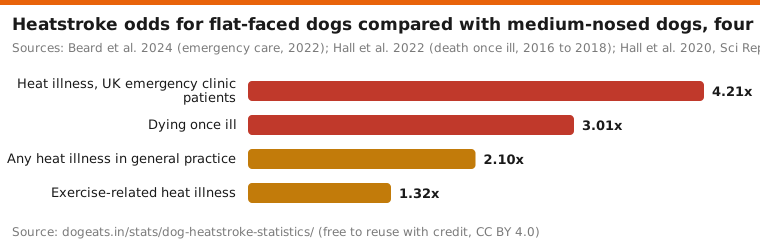
Flat-faced breeds, heavy dogs and some athletic breeds top every study. In UK general practice, flat-faced dogs had 2.10 times the odds of heat illness. Dogs of 50 kg or more had 3.42 times the odds of dogs under 10 kg.
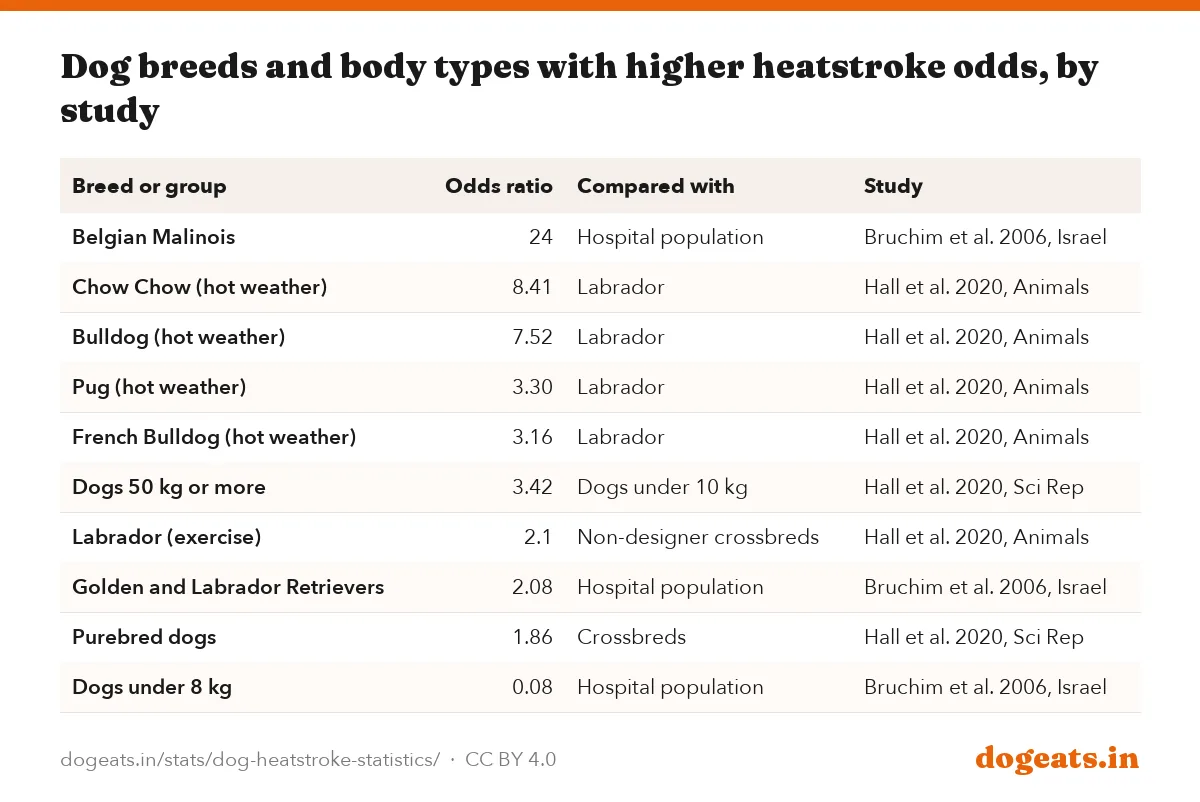
In the Israeli hospital study, the Belgian Malinois made up 15% of heatstroke cases, with 24 times the expected odds. Golden and Labrador Retrievers made up 21%. Dogs under 8 kg made up only 2%.
For heat illness from hot weather alone, the Chow Chow had 8.41 times the odds of a Labrador, the Bulldog 7.52 and the Pug 3.30. Our heat risk ranking of 58 breeds rates each one for Indian summers.

Sources: Beard et al. 2024 (emergency care, 2022); Hall et al. 2022 (death once ill, 2016 to 2018); Hall et al. 2020, Sci Rep (any heat illness, 2016); Hall et al. 2020, Animals (exercise-related, 2016). Odds ratios.
Show the numbers
| Label | times |
|---|---|
| Heat illness, UK emergency clinic patients | 4.21x |
| Dying once ill | 3.01x |
| Any heat illness in general practice | 2.10x |
| Exercise-related heat illness | 1.32x |
Embed this chart
| Breed or group | Odds ratio | Compared with | Study |
|---|---|---|---|
| Belgian Malinois | 24 | Hospital population | Bruchim et al. 2006, Israel |
| Chow Chow (hot weather) | 8.41 | Labrador | Hall et al. 2020, Animals |
| Bulldog (hot weather) | 7.52 | Labrador | Hall et al. 2020, Animals |
| Pug (hot weather) | 3.30 | Labrador | Hall et al. 2020, Animals |
| French Bulldog (hot weather) | 3.16 | Labrador | Hall et al. 2020, Animals |
| Dogs 50 kg or more | 3.42 | Dogs under 10 kg | Hall et al. 2020, Sci Rep |
| Labrador (exercise) | 2.1 | Non-designer crossbreds | Hall et al. 2020, Animals |
| Golden and Labrador Retrievers | 2.08 | Hospital population | Bruchim et al. 2006, Israel |
| Purebred dogs | 1.86 | Crossbreds | Hall et al. 2020, Sci Rep |
| Dogs under 8 kg | 0.08 | Hospital population | Bruchim et al. 2006, Israel |
Young dogs dominate exercise cases and older dogs hot-weather cases. Young male dogs had greater odds of exercise heat illness in the UK, and Labradors had 2.1 times the odds of non-designer crossbreds. Older dogs and dogs with breathing problems had the highest odds from hot weather, which matters for the French Bulldog.
How hot does it get before dog deaths rise, and what does that mean for India?
Dog deaths climb with heat in Australia too. Twenty years of New South Wales vet records showed deaths from all causes rising 0.6% for each 1 C above a 25 C daily maximum. On days above 32 C, the risk of death was 9.5% higher.
UK cases start in weather far milder than an Indian summer. The median daily maximum wet bulb globe temperature on UK heat illness days was 16.9 C. July alone held 33.8% of 1,259 recorded events and 35 of 99 deaths.
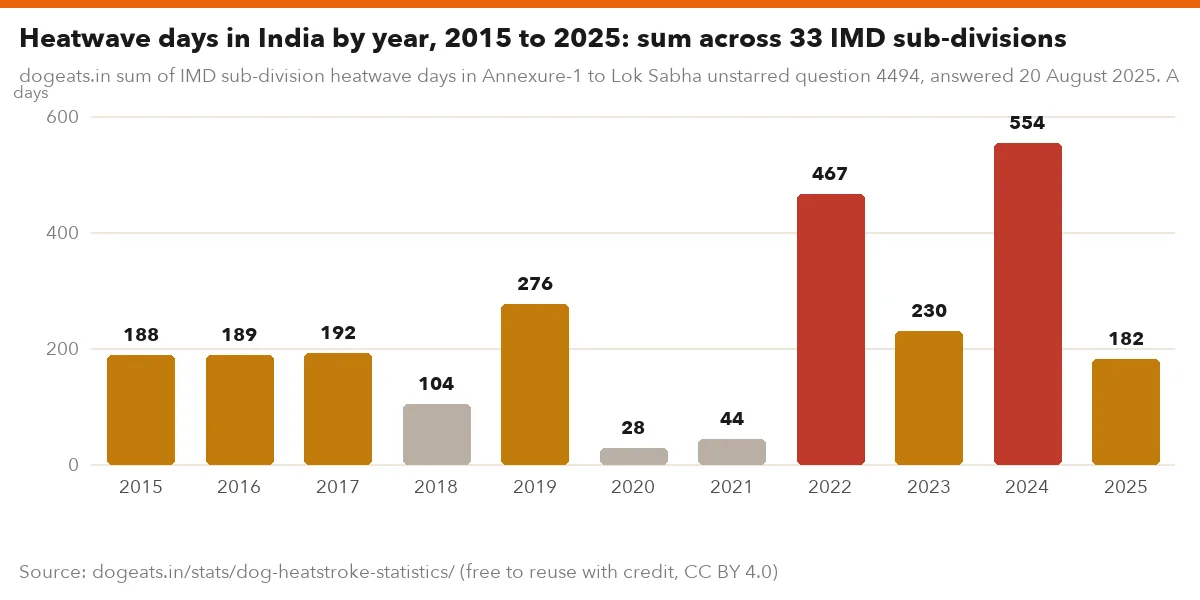
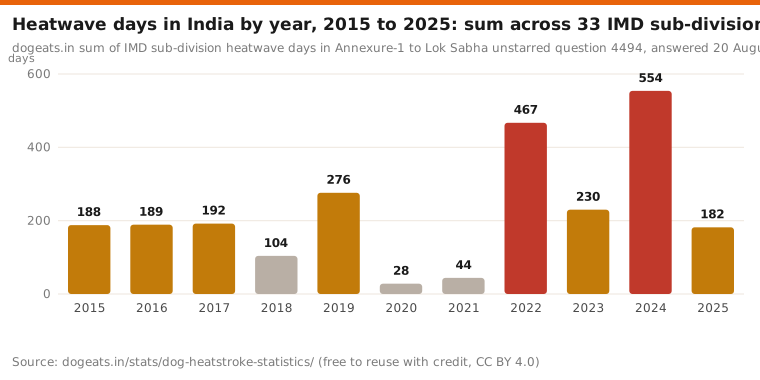
India is far hotter and has no count of dog heatstroke. We found no Indian study or government register of cases. IMD sub-divisions logged 554 heatwave days in 2024, the most in the 11 years to 2025. The count for 2025, as of August, was 182.
dogeats.in sum of IMD sub-division heatwave days in Annexure-1 to Lok Sabha unstarred question 4494, answered 20 August 2025. A day counts once for each sub-division in heatwave.
Show the numbers
| Label | days |
|---|---|
| 2015 | 188 |
| 2016 | 189 |
| 2017 | 192 |
| 2018 | 104 |
| 2019 | 276 |
| 2020 | 28 |
| 2021 | 44 |
| 2022 | 467 |
| 2023 | 230 |
| 2024 | 554 |
| 2025 | 182 |
Embed this chart
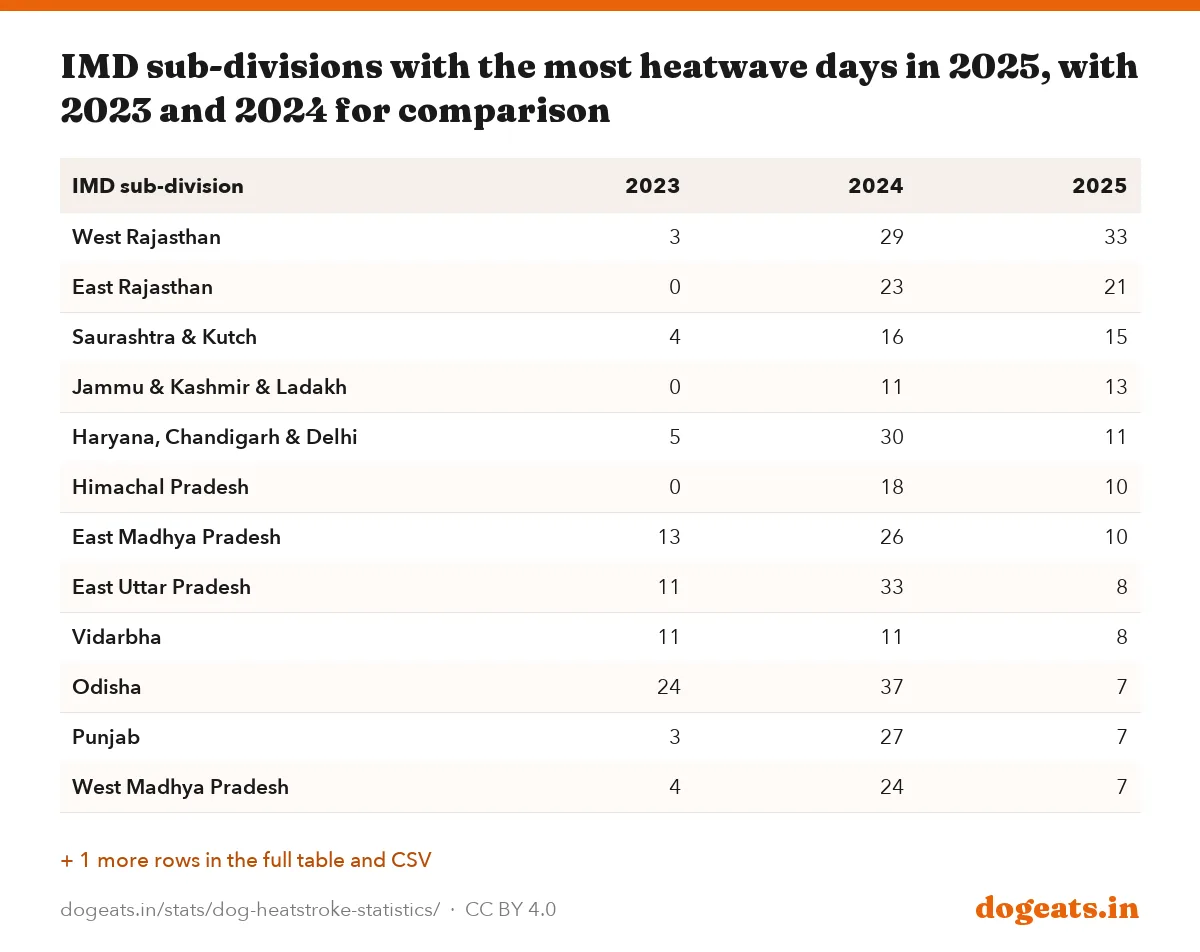
| IMD sub-division | 2023 | 2024 | 2025 |
|---|---|---|---|
| West Rajasthan | 3 | 29 | 33 |
| East Rajasthan | 0 | 23 | 21 |
| Saurashtra & Kutch | 4 | 16 | 15 |
| Jammu & Kashmir & Ladakh | 0 | 11 | 13 |
| Haryana, Chandigarh & Delhi | 5 | 30 | 11 |
| Himachal Pradesh | 0 | 18 | 10 |
| East Madhya Pradesh | 13 | 26 | 10 |
| East Uttar Pradesh | 11 | 33 | 8 |
| Vidarbha | 11 | 11 | 8 |
| Odisha | 24 | 37 | 7 |
| Punjab | 3 | 27 | 7 |
| West Madhya Pradesh | 4 | 24 | 7 |
| Gujarat Region | 1 | 14 | 7 |
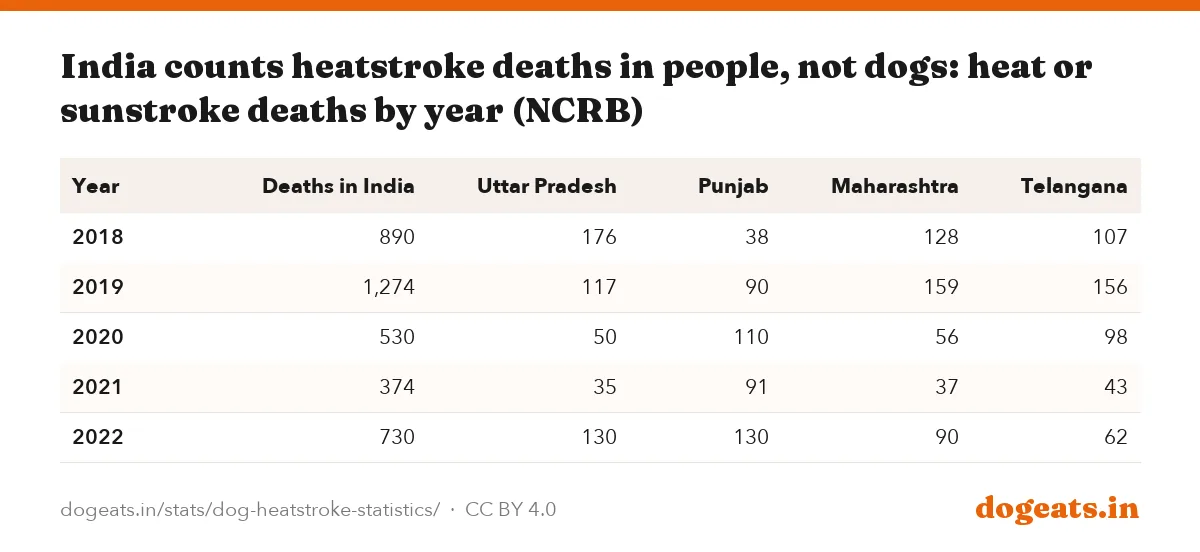
| Year | Deaths in India | Uttar Pradesh | Punjab | Maharashtra | Telangana |
|---|---|---|---|---|---|
| 2018 | 890 | 176 | 38 | 128 | 107 |
| 2019 | 1,274 | 117 | 90 | 159 | 156 |
| 2020 | 530 | 50 | 110 | 56 | 98 |
| 2021 | 374 | 35 | 91 | 37 | 43 |
| 2022 | 730 | 130 | 130 | 90 | 62 |
West Rajasthan had 33 heatwave days in 2025, East Rajasthan 21 and Saurashtra and Kutch 15. Jammu, Kashmir and Ladakh logged 13 and Haryana, Chandigarh and Delhi 11.
Newer NCRB figures show a sharp rise. Its report for 2024, released in May 2026, counted 1,832 heat and sunstroke deaths in people, up from 804 in 2023, The South First and ETV Bharat reported. Lightning, at 2,825 deaths, was the only natural force that killed more.
Our heatwave days and dog heatstroke risk report maps state averages from 2010 to 2024. The summer heatstroke prevention guide covers daily care.
Frequently asked questions
What is the survival rate for heatstroke in dogs?
It depends on severity. In UK general practice about 86% to 89% of dogs with heat illness survived, but hospital studies of severe heatstroke in Israel and Germany found survival of 45% to 50%.
Can a dog recover from heatstroke?
Yes, many do. In a Munich study, hospital stays ran 1 to 6 days, and every dog still alive after 3 days was discharged.
How long does heatstroke recovery take in dogs?
Studies report hospital stays of 1 to 6 days. Most deaths happen within 24 to 48 hours, so the first 3 days matter most; ask your vet about follow-up checks.
What temperature is heatstroke in dogs?
Severe heatstroke is usually defined as a body temperature of 41.0 C (105.8 F) or more with signs of brain dysfunction. Normal was taken as 37.6 to 39.2 C (99.7 to 102.6 F) in a 2026 UK study.
What are the first signs of heatstroke in a dog?
Heavy panting was recorded in 59.9% of UK emergency cases, breathing difficulty in 50.8% and vomiting in 33.2%. A dog with these signs after heat or exercise needs a vet straight away.
Do most dogs get heatstroke in hot cars?
No. In UK data, 74.2% of heat illness events with a known cause followed exercise and only 5.2% followed confinement in a vehicle.
Which dogs are most at risk of heatstroke?
Flat-faced breeds, dogs over 50 kg, overweight dogs and older dogs. Chow Chows, Bulldogs, Pugs and French Bulldogs had the highest odds in UK studies, and Belgian Malinois in an Israeli one.
How many dogs get heatstroke in India?
No one knows. We found no Indian study or official register of dog heatstroke cases, though India logged 554 heatwave days in 2024.
How fast should a dog with heatstroke see a vet?
As fast as possible. In an Israeli study of 54 dogs, arriving more than 90 minutes after the event was a risk factor for death.
Methodology and limitations
We searched PubMed for dog heatstroke and heat-related illness studies on 15 October 2026 and read the abstracts of every study cited. For six open-access VetCompass and SAVSNET papers we read the full text on Europe PMC and took figures from their tables.
Survival is 100% minus the reported share of deaths, including euthanasia. For UK general practice 2016 to 2018 we summed the deaths in Table 6 of Hall et al. (2022), 98 of 856 events. For Pennsylvania and the 2009 Israeli study we computed deaths from counts in the abstracts.
Heatwave days come from Annexure-1 of Lok Sabha unstarred question 4494, answered by the Ministry of Earth Sciences on 20 August 2025, read via a web archive copy. We summed 33 sub-divisions for each year. Our sums of 554 for 2024 and 230 for 2023 match the figures the ministry gave the Rajya Sabha in December 2024.
Human heat and sunstroke deaths come from NCRB data in Annexure-1 of a Ministry of Earth Sciences Lok Sabha reply, released by PIB on 20 August 2025. They cover 2018 to 2022, the latest years given there. Totals for 2023 and 2024 from the NCRB report for 2024 are quoted as reported by The South First and ETV Bharat, as we could not open the NCRB tables.
Sources
- Hall EJ, Carter AJ, O'Neill DG. Incidence and risk factors for heat-related illness (heatstroke) in UK dogs under primary veterinary care in 2016. Scientific Reports 2020;10:9128, Incidence, 14.18% fatality, skull shape, weight and breed odds
- Bruchim Y et al. Heat stroke in dogs: a retrospective study of 54 cases (1999 to 2004) and analysis of risk factors for death. J Vet Intern Med 2006;20(1):38-46, 50% mortality, complications, breeds, delayed admission
- Beard S et al. Evaluation and validation of a revised VetCompass clinical grading tool for heat-related illness in dogs. Scientific Reports 2026;16:4661, Deaths by grade and temperature, clinical signs, cooling before arrival, 2022 and 2023
- Also consulted: Hall EJ et al. Risk factors for severe and fatal heat-related illness in UK dogs: a VetCompass study. Veterinary Sciences 2022;9(5):231, Hall EJ, Carter AJ, O'Neill DG. Dogs don't die just in hot cars: exertional heat-related illness is a greater threat to UK dogs. Animals 2020;10(8):1324, Beard S et al. Epidemiology of heat-related illness in dogs under UK emergency veterinary care in 2022. Vet Rec 2024;194(11):e4153, Hall EJ et al. Cooling methods used to manage heat-related illness in dogs presented to primary care veterinary practices during 2016 to 2018 in the UK. Veterinary Sciences 2023, Drobatz KJ, Macintire DK. Heat-induced illness in dogs: 42 cases (1976 to 1993). JAVMA 1996;209(11):1894-1899, Segev G et al. A novel severity scoring system for dogs with heatstroke. J Vet Emerg Crit Care 2015;25(2):240-247, Aroch I et al. Peripheral nucleated red blood cells as a prognostic indicator in heatstroke in dogs. J Vet Intern Med 2009;23(3):544-551, Teichmann S et al. Heatstroke in dogs in southern Germany: a retrospective study over a 5.5-year period. Tierarztl Prax 2014;42(4):213-222, Tripovich JS et al. Incidence and risk factors of heat-related illness in dogs from New South Wales, Australia (1997 to 2017). Aust Vet J 2023, Tripovich JS et al. Feeling the heat: daily ambient temperatures, extreme heat days and mortality in dogs from New South Wales. Aust Vet J 2025, Hall EJ, Radford AD, Carter AJ. Surveillance of heat-related illness in small animals presenting to veterinary practices in the UK between 2013 and 2018. Open Vet J 2022, Ministry of Earth Sciences, Lok Sabha unstarred question 4494, 20 August 2025, Annexure-1, PIB / Ministry of Earth Sciences, Loss of lives and health crisis due to intense heat, 20 August 2025 (NCRB data), The South First, 13 May 2026: NCRB heat and sunstroke deaths 2023 and 2024, ETV Bharat, 13 May 2026: Extreme weather killed over 7,900 people across India in 2024.
Cite, embed and download
This report, its data and its images are free to reuse under a Creative Commons Attribution 4.0 licence. Credit dogeats.in with a link to this page. Every chart has its own embed code, every table has a CSV and an image download, and the images below are ready for social posts, slides and articles.
Cite this report
Link to this report
Every chart and table as an image