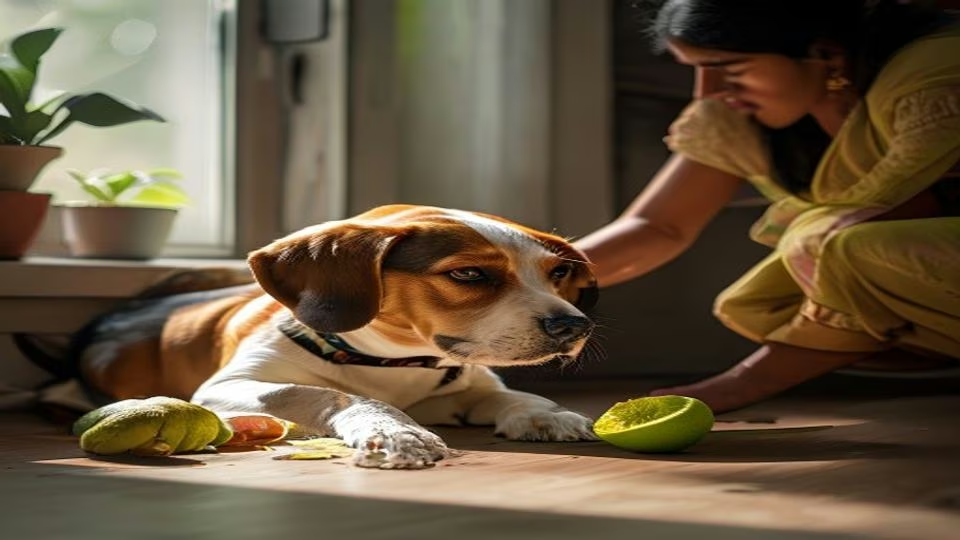
Can Dogs Eat Lime? No: Risks & Symptoms
5 min read · Updated May 2026
No, Lime is not safe for dogs and should be kept away entirely. Even small amounts can be harmful, and signs of poisoning may be delayed by hours or days. If your dog has eaten any, call your vet immediately (or the local helplines below), do not wait for symptoms, and do not try to make your dog vomit at home unless a vet tells you to.
Is Lime From Your Indian Kitchen Safe for Dogs?
Lime (nimbu) is used in many Indian dishes. Keep dogs away from all lime preparations: chaat with nimbu, lemon rice, lime pickle, raita with lime, nimbu paani. The same warnings as lemon apply.
Why Lime Is Dangerous for Dogs
Like lemons, limes contain psoralen, citric acid, and essential oils (limonene, linalool) that irritate a dog's digestive tract and are toxic in concentrated amounts. Lime essential oil, present in highest concentration in the peel, is a hepatotoxin and can cause liver damage with repeated exposure. While a small accidental lick is unlikely to cause serious harm, intentional feeding of lime flesh, juice, or peel should be avoided entirely.
Indian-specific concern: lime is even more prevalent in Indian cooking than lemon, squeeze of nimbu over dal, lime pickle (extremely acidic), lime in chaas/buttermilk, and lime-based marinades. Lime-based cleaning products are also common. Keep all lime products, including the aromatic peel and zest, completely away from dogs. Contact your vet if your dog consumed lime peel or essential oil.
| Toxic Compound | Level | Effect on Dogs |
|---|---|---|
| Psoralens (toxin) | Present in all parts | ⚠️ Phototoxic, causes liver and skin damage |
| Limonene (toxin) | High in peel | ⚠️ Essential oil, toxic to dogs |
| Citric acid | Very high | ⚠️ Severe GI distress |
| Risk level | HIGH | All dogs |
| Time to symptoms | 30 min – 2 hours | Vomiting, drooling, weakness |
Risks of Lime for Dogs, And When to Worry
| Risk | Level | Most at risk |
|---|---|---|
| Psoralens cause phototoxicity and liver damage | HIGH | All dogs |
| Limonene and linalool essential oils are toxic | HIGH | All dogs |
| Extreme citric acid causes severe vomiting and diarrhoea | HIGH | All dogs |
Indian-specific concerns: Diabetic dogs, obese apartment dogs (Labs, Pugs, Beagles with limited exercise), puppies under 3 months, senior dogs, and dogs with kidney or liver conditions should be treated with extra care when it comes to Lime. Where a medical condition exists, clear this with your vet first.
- • Vomiting or diarrhoea within hours of eating Lime
- • Lethargy, collapse, or seizures
- • Swollen face, hives, or difficulty breathing
- • Pale or yellowish gums (sign of anaemia or organ damage)
- CUPA Bangalore 080-22947301
- PFA Delhi 011-45615915
- Blue Cross Chennai 044-22350586
- Bombay SPCA Mumbai 022-24137518
- RESQ Pune 98909-99111
- PFA Hyderabad 73374-50643
- CSPCA Kolkata 033-22367738
- PFA Ahmedabad 94270-00501
Can Indian Dog Breeds Eat Lime? Breed-by-Breed Guide
The answer is the same for every breed: lime is not safe for dogs, whatever their size or constitution. What differs is only how quickly a dog reaches a harmful dose and how easily it can get hold of some, so the real task is keeping lime out of reach, not finding a breed-appropriate portion.
Labrador Retriever, India's Most Popular Breed
Food-driven Labradors will bolt lime before you can react, so the priority is keeping it off low tables and out of bins rather than rationing it. There is no safe amount for a Lab, whatever its size.
Golden Retriever
Goldens are gentle but greedy, and lime is unsafe for them at any size. Keep it well out of reach instead of relying on portion control.
Indian Pariah Dog (INDog / Indie Dog)
A robust street-dog stomach does not make lime safe, the toxic effect is the same for Indie dogs as for any other breed. Keep it away from them entirely, and watch newly rescued dogs that may scavenge.
Pomeranian & Indian Spitz
Tiny Poms and Spitz reach a harmful dose of lime from a very small amount, so they are at the highest risk. Keep it completely out of their reach.
German Shepherd
German Shepherds are no exception, lime is unsafe for them too, regardless of size. There is no 'trial' amount; keep it away entirely.
Feeding Lime in India, Why the Season Doesn't Make It Safe
Unlike a fresh food whose risk shifts with heat or humidity, lime is unsafe for dogs in every season, there is no time of year when it becomes a safe treat. The only thing that changes through the year is how much of it is around the house, so the practical job is managing access.
Summer (March–June)
Summer brings more of some of these foods into the home, but lime does not become safe in the heat. Keep it out of reach and clear away anything dropped, as warmth can also make spoiled food an extra hazard.
Monsoon (June–September)
Damp monsoon weather changes nothing about lime's toxicity. Keep it stored away from your dog, and be especially careful with bins and leftovers in humid conditions.
Winter (November–February)
Festive winter cooking and gatherings mean more lime around, often within a dog's reach. Keep it on high surfaces and out of bins, and remind guests not to share it with your dog.
Juice, Rinds, Leaves, Rice, Chips, Jello & Ice Cream
Lime sits in the "best avoided" category for dogs, not because it's acutely lethal, but because the acidity, oils and bitterness make it both irritating and consistently disliked:
- Lime juice: Acidic enough to upset most dogs' stomachs, skip.
- Lime rinds and peel: The peel contains citrus oils (limonene, linalool) that can cause vomiting, diarrhoea and skin irritation. Keep away.
- Lime leaves (Indian curry / kaffir): Used as a flavouring; small culinary amounts in food aren't acutely toxic but the oils are gut-irritating.
- Lime and coriander rice / lime rice: The rice is fine plain; the lime, salt and tempering aren't, see our lemon rice guide.
- Lime chips: Skip, salted, oily, citrus.
- Lime jello (jelly): Sugary and artificially flavoured, and "sugar-free" lime jellies may contain xylitol. Skip.
- Lime ice cream: Sugar plus dairy plus citrus, keep away.
- Lime water: Skip, even diluted, the acid is gut-irritating.
- If your dog has had lime: Small amounts usually cause only mild stomach upset. Large amounts of peel or essential oil concentrate can cause more serious irritation, call your vet.
People Also Ask, Related Fruits Safety Questions
Indian dog owners also ask about these fruits:
Frequently Asked Questions About Lime for Dogs
Safe Alternatives to Lime for Dogs
- Lemon
- Kheer
- Dosa
- Watermelon, Safe, hydrating alternative
- Apple, Safe acid-free treat
- Carrot, Safe crunchy treat, no acidity
See our complete guide to all 905 foods →
3 Common Myths About Lime and Dogs, Debunked by About
These misconceptions about feeding lime to dogs are widespread among Indian pet owners, and some are genuinely dangerous.
❌ Myth: "A tiny amount of lime won't hurt my dog"
✅ Reality: Some toxins have no safe threshold for dogs. Grapes and raisins, for example, have caused acute kidney failure from a single small serving. Lime falls into a category where the dose does not reliably predict safety, any amount carries risk. The only safe amount is zero.
❌ Myth: "My dog ate lime and seemed fine, so it is probably safe for them"
✅ Reality: Many toxic reactions are delayed by 24–72 hours. Onion toxicity accumulates over 3–5 days before manifesting as anaemia. Grape/raisin toxicity causes kidney damage that is only apparent in blood tests. "Seemed fine" immediately after eating is not a safety signal, call your vet even if your dog appears normal.
❌ Myth: "Indian dogs and street dogs have adapted to lime over generations"
✅ Reality: Toxicity is determined by biochemistry, not familiarity. The thiosulfates in onion/garlic damage red blood cells equally regardless of breed or prior exposure. Lime contains compounds that dogs cannot metabolise safely, this is a physiological fact, not a cultural one. This is one of the most dangerous myths in Indian dog care.
Editorial Note
"With lime, the factors that matter most are preparation and quantity, not just the safety rating. Knowing the safety class is step one, amount and frequency are the bigger step two. Use the katori figures here as a baseline and adjust to how your own dog responds."
, dogeats.in Editorial TeamEditorially Rigorous
Sources & References
- American Kennel Club (AKC), Source-verified food safety guidance for dogs
- ASPCA Animal Poison Control Center, Toxin database, foods harmful to pets
- National Institute of Nutrition (NIN), Hyderabad, Indian food composition tables
- Indian Council of Agricultural Research (ICAR), Indian food safety and agricultural standards