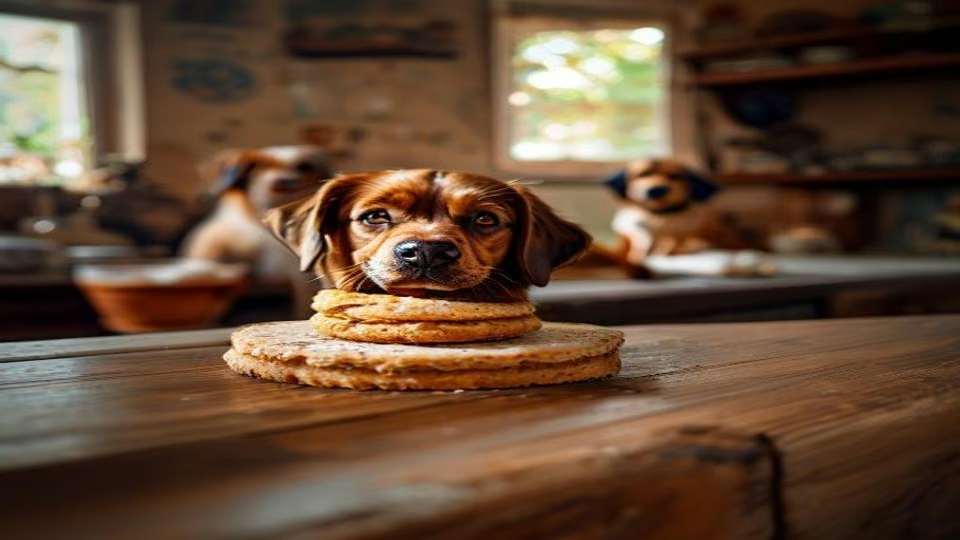
Can Dogs Eat Good Day Biscuit? Benefits, Risks & Indian Serving Tips
5 min read · Updated June 2026
Good Day biscuits (cashew, butter, pista varieties) contain no chocolate, so the plain types are not toxic. They are, however, sugar- and fat-rich, and some carry nuts. A small plain piece is fine for a healthy adult dog occasionally; avoid the chocolate-chip variety, and keep them away from diabetic or overweight dogs.
Is Good Day Biscuit From Your Indian Kitchen Safe for Dogs?
Good Day is a sweet, buttery biscuit many families keep at home. The plain cashew/butter ones are not poisonous, but they are high in sugar and fat. The chocolate-chip Good Day variety should be avoided because of the chocolate.
Homemade Good Day Biscuit Recipe for Dogs, Indian Katori Measures
Ingredients: Not recommended, Good Day biscuits is high in sugar
Method:
- Good Day biscuits isn't suitable for dogs due to its sugar content.
- Offer a dog-safe biscuit instead.
Serving size: Not recommended, offer the plain substitute instead.
Does Good Day Biscuit Have Any Benefit for Dogs?
None of note. Like all sweet biscuits, it is empty calories for a dog. The cashew bits add a little fat but no real value.
Nutritional Profile of Good Day Biscuit (per 100g)
| Nutrient | Amount | Benefit / Note for Dogs |
|---|---|---|
| Calories | ~490 kcal | High |
| Sugar | ~24g | ⚠️ High |
| Fat | ~22g | ⚠️ High, butter/oil |
| Protein | 6g | Low |
| Fibre | 1g | Low |
Risks of Good Day Biscuit for Dogs, And When to Worry
| Risk | Level | Most at risk |
|---|---|---|
| Weight gain | HIGH | Apartment dogs |
| Pancreatitis (fat) | MEDIUM | Prone breeds |
| Chocolate (choc-chip variety) | HIGH | If choc variety eaten |
Plain Good Day is just a fatty sweet biscuit; the chocolate-chip variety is the real hazard. Keep all varieties away from diabetic, obese and pancreatitis-prone dogs.
- • Vomiting or diarrhoea within hours of eating Good Day Biscuit
- • Lethargy, collapse, or seizures
- • Swollen face, hives, or difficulty breathing
- • Pale or yellowish gums
- CUPA Bangalore 080-22947301
- PFA Delhi 011-45615915
- Blue Cross Chennai 044-22350586
- Bombay SPCA Mumbai 022-24137518
- RESQ Pune 98909-99111
- PFA Hyderabad 73374-50643
- CSPCA Kolkata 033-22367738
- PFA Ahmedabad 94270-00501
How Much Good Day Biscuit Can My Dog Eat? Indian Portion Guide
| Dog Size | Breed Examples (India) | Weight | Safe Serving | Frequency |
|---|---|---|---|---|
| Toy / Puppy | Spitz, Pom, Indie pup | 2–5 kg | Avoid / tiny taste | Rarely |
| Small | Beagle, Dachshund, Lhasa | 5–10 kg | Tiny taste | Rarely |
| Medium | Indie dog, Cocker Spaniel | 10–25 kg | Small amount | Rarely |
| Large | Labrador, Golden, GSD | 25–40 kg | Small amount | Rarely |
| Giant | Great Dane, Saint Bernard | 40 kg+ | Moderate | Rarely |
Indie dog note: Indie and street dogs generally handle a wider range of foods well, but at 10–20 kg they should still follow the Medium column above. If the dog was recently rescued, add anything new to the diet gradually.
Can Indian Dog Breeds Eat Good Day Biscuit? Breed-by-Breed Guide
What one Indian breed tolerates, another may not, metabolism and health risks differ. Here is how good day biscuit affects the breeds most commonly kept in India.
Labrador Retriever, India's Most Popular Breed
Labradors are India's most food-obsessed breed and pile on weight fast in flat living. For Labs, good day biscuit mainly adds calories, keep to the Large column and treat it as occasional, not routine. Cut anything you offer into small pieces since Labs gulp food without chewing.
Golden Retriever
Goldens are active and burn calories well, but Indian summers make them overheat. Goldens handle good day biscuit like other large breeds; keep portions to the Large column and avoid it on hot days if it is rich or fatty.
Indian Pariah Dog (INDog / Indie Dog)
Generations of street survival give the INDog a robust stomach. Indie dogs tolerate good day biscuit well, but tolerance is not a reason to overfeed. Most INDogs are 12–20 kg (Medium column). For a freshly rescued dog, start with half the portion and wait 48 hours.
Pomeranian & Indian Spitz
At only 2–5 kg, a normal portion overloads Poms and Spitz, stay strictly on the Toy column. For tiny Poms and Spitz, even a small amount of good day biscuit is a lot, a pea-sized taste is the ceiling.
German Shepherd
GSDs are active working dogs with one weak spot: a sensitive gut. Introduce good day biscuit slowly to a GSD's sensitive gut; after a calm trial, the Large-column amount is a sane limit.
Feeding Good Day Biscuit in India, Seasonal Guide
India's extreme climate affects how you store and serve good day biscuit through the year.
Summer (March–June)
Indian summer heat speeds spoilage of good day biscuit. Offer it fresh only; anything left out beyond 20 minutes should be discarded, and leftovers need to go into the fridge right away.
Monsoon (June–September)
Damp monsoon conditions are ideal for mould and bacteria to spread quickly. Buy good day biscuit fresh, smell before serving, and skip anything soft or off.
Winter (November–February)
Winter is the safest season for good day biscuit. Avoid serving it cold, room temperature is safer, especially through the colder North Indian winter.
Good Day Biscuit, Forms, Variants & What to Avoid
How good day biscuit is prepared decides whether it is a harmless taste or a problem. Here is what to share and what to skip:
- Plain cashew/butter Good Day: Small piece, occasionally, acceptable.
- Chocolate-chip Good Day: No, contains chocolate, which is toxic.
- Whole biscuit daily: Avoid, too much sugar and fat.
- With chai: No.
People Also Ask, Related Other Foods Safety Questions
Indian dog owners also ask about these:
Frequently Asked Questions About Good Day Biscuit for Dogs
See our complete guide to all dog foods →
3 Common Myths About Good Day Biscuit and Dogs, Debunked by About
❌ Myth: "Good Day Biscuit is natural, so dogs can eat as much as they want"
✅ Reality: Even wholesome foods sit under the 10% treat rule. Cross that line and the main diet gets squeezed out, usually followed by weight gain and loose stools. Natural does not mean unlimited.
❌ Myth: "Packaged good day biscuit products are the same as the plain food"
✅ Reality: Packaged versions often add xylitol, salt, sugar or preservatives that are harmful to dogs. Only plain, unseasoned food should be shared, read every label.
❌ Myth: "Street dogs eat good day biscuit, so it must be safe for all dogs"
✅ Reality: Tolerating something and thriving on it are different. A stray coping with scraps shows resilience, not that the food is safe. A pet dog prone to weight gain, pancreatitis or allergies needs measured, deliberate feeding.
Editorial Note
"With good day biscuit, preparation and quantity matter more than the label alone. Start from the katori measures above and adjust to how your own dog handles it."
, dogeats.in Editorial TeamEditorially Rigorous
Related Foods Dogs Can (or Can't) Eat
Sources & References
- American Kennel Club (AKC), Source-verified food safety guidance for dogs
- ASPCA Animal Poison Control Center, Toxin database, foods harmful to pets
- National Institute of Nutrition (NIN), Hyderabad, Indian food composition tables
- Indian Council of Agricultural Research (ICAR), Indian food safety and agricultural standards